


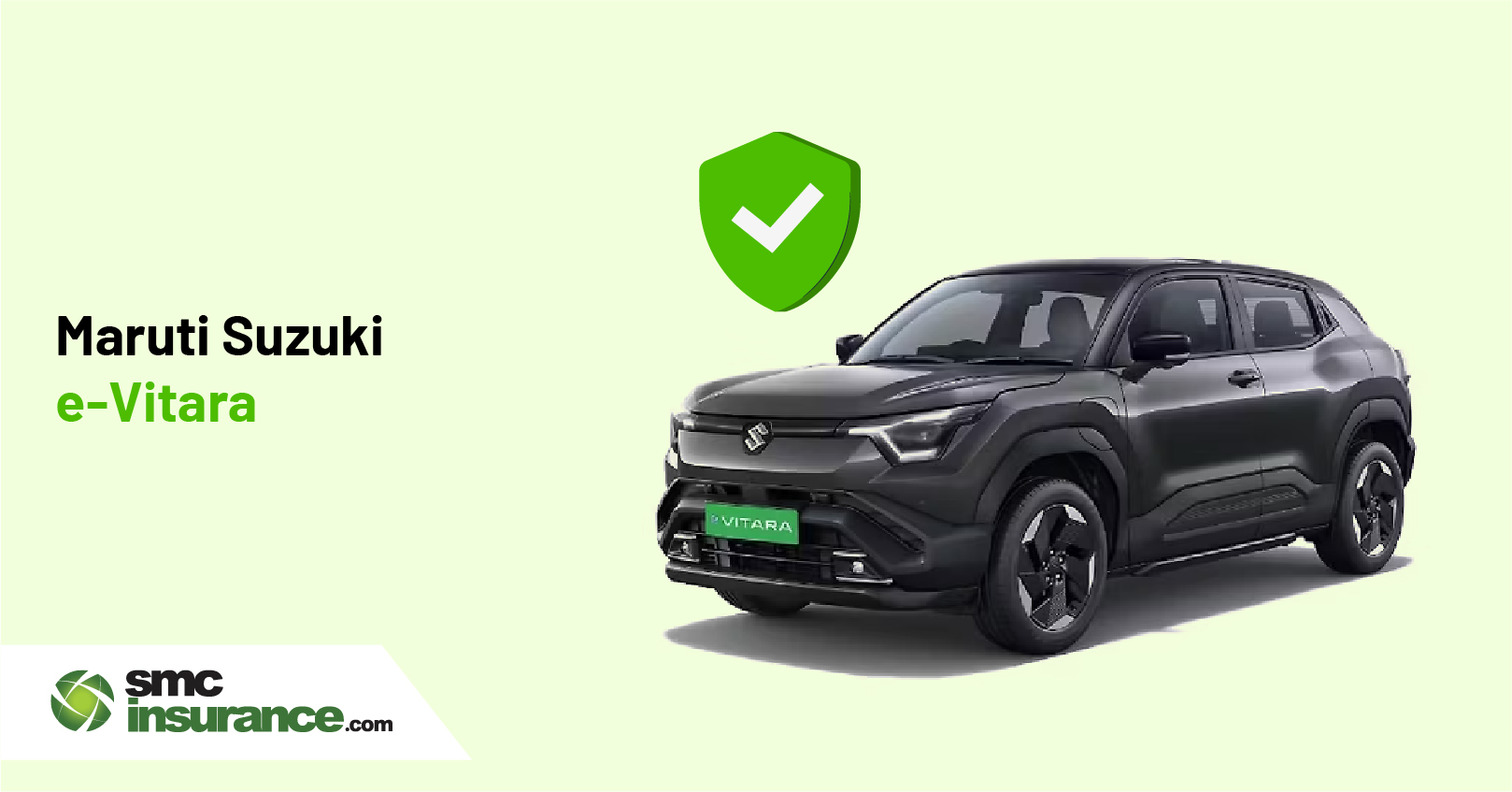

The Maruti Suzuki e-Vitara is the brand’s first fully electric SUV for India, designed for everyday use rather than novelty. It is expected to launch in December 2025, with full sales rollout likely in early 2026. The electric SUV comes with two battery options, 49 kWh and 61.1 kWh, and offers a claimed driving range of up to 543 km on select variants.
Expected ex-showroom prices range between Rs. 18 lakh and Rs. 22 lakh, positioning it as a practical mid-size electric SUV. Built on a dedicated EV platform, the e-Vitara focuses on smooth, quiet driving, low running costs, and the familiar Maruti Suzuki ownership experience through Nexa dealerships.
A car slowly becomes part of life. It hears early morning phone calls, carries half packed bags, waits patiently in traffic, and knows the exact speed breaker near home. For many people, driving is not a passion project. It is a routine woven into workdays, family plans, and quiet evening errands. That is why change in this space always feels personal. When something shifts, it has to make life easier, not louder.
The Maruti Suzuki e-Vitara steps into this rhythm with a different kind of promise. No engine roar. No restless vibration at red lights. Just movement that feels smooth and unhurried. For someone juggling meetings, school pickups, and weekend chores, does quieter driving change the day? Does plugging in at night feel simpler than watching fuel gauges dip? These questions show up naturally when daily patterns start evolving.
Electric vehicles often sound futuristic, but life itself is already busy enough. What matters is comfort, trust, and familiarity. The e-Vitara carries a well known name into new territory, aiming to fit into routines rather than disrupt them. Can electric mobility finally feel normal and dependable at the same time? The answers unfold as you read on.
Maruti Suzuki e‑Vitara - India’s Electric SUV with Promise
The e-Vitara is the first fully electric SUV from Maruti Suzuki made especially for India. It marks a big step in the shift toward electric vehicles. The design feels modern and rugged. Inside you get a sleek interior and a dual-screen setup for entertainment and driving info.
Maruti has built this EV at its plant in Gujarat. Production began recently, and some cars have already been shipped abroad even as India waits for the official launch.
When Did e-Vitara Launch or When Will It Launch?
The e-Vitara was scheduled for launch in India on December 2, 2025. Bookings have opened online and at Nexa dealerships for a small token amount.
Although the global version of the e-Vitara was revealed earlier (outside India), this December 2025 rollout marks its official entry into the Indian market. sales and full launch expected in early 2026, potentially January.
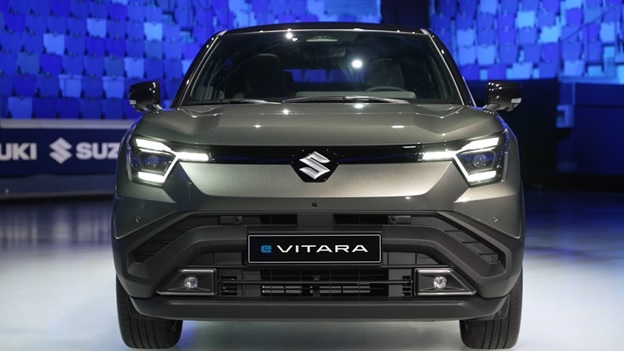
Price and Variants of e-Vitara
As the launch unfolds, here’s what we know about its expected pricing and trims
Expected Price (Ex-showroom & On-road)
-
Estimated ex-showroom price range: Rs. 18 lakh to Rs. 22 lakh.
- Some sources suggest a tentative broader range: Rs. 17 lakh to Rs. 22.50 lakh.
- For a city like Chennai, estimated on-road price ranges from Rs. 21.01 lakh to Rs. 26.26 lakh.
These numbers may shift once final official pricing is revealed.
Variants and Battery Options
The e-Vitara will be offered in three main trims:
|
Variant |
Battery Pack |
Power / Range |
Notes |
|
Delta |
49 kWh |
Entry-level (smaller battery) |
Base trim |
|
Alpha |
61.1 kWh |
Up to 543 km range |
Premium battery pack |
|
Zeta |
61.1 kWh |
Same as Alpha battery |
Top-end trim |
All trims come with automatic transmission and front-wheel drive (FWD). With the larger 61.1 kWh battery, the claimed ARAI-certified driving range is up to 543 km on a full charge.
Maruti Suzuki e-Vitara Colour Variants
Maruti Suzuki knows that buying an SUV is not just about range and features. It is also about how the car makes you feel every time you walk up to it. That’s where the e-Vitara’s colour palette plays its part.
The e-Vitara is expected to come in five striking exterior colours, each with its own personality:
- Nexa Blue
- Arctic White
- Splendid Silver
- Opulent Red
- Bluish Black
Some variants may also offer dual-tone options, where the body colour is paired with a contrasting roof. These are designed for buyers who want something a little more expressive without being flashy.
And the best part? The colours are not loud. They lean towards premium, which fits well with the Nexa brand identity.
Why the Hype for Maruti Suzuki e-Vitara?
The excitement around the e-Vitara isn’t accidental. It’s been building quietly, and for good reason.
- Maruti Suzuki’s First Proper Electric SUV for India
People trust the brand. It has been part of Indian garages for decades. When a company like Maruti enters the EV space seriously, it gets attention. - Varied Range
With a claimed figure that crosses the 500 km mark on select variants, the e-Vitara tackles one of the biggest EV worries head-on. Range anxiety still exists. This SUV makes it feel less relevant. But that’s not all. - Built on a New EV-Specific Platform
It is not a quick conversion of an older model. That means better space usage, improved safety, and a more balanced drive experience. The industry sees this as Maruti signaling long-term commitment, not a trial run. - The Nexa Experience
Premium showrooms, trained staff, and a more refined buying journey. For many buyers moving to an EV for the first time, this matters more than spec sheets. - Cost of Ownership
Maruti vehicles are known for being easy to maintain. If the same approach carries over to its EV lineup, the e-Vitara could become one of the most sensible electric SUVs to own, not just to buy.
Maruti Suzuki e-Vitara: Detailed Specifications
Now that the excitement and design talk are out of the way, it helps to slow down and look at the numbers. Because this is where e-Vitara quietly convinces you it means business. Maruti Suzuki has built this electric SUV on a dedicated EV platform. That shows in the way the specs come together. Nothing feels forced or compromised. Here’s a clear look at what the e-Vitara offers:
|
Specification |
Details |
|
Body Type |
Electric SUV |
|
Platform |
EV-specific skateboard platform |
|
Battery Options |
49 kWh and 61.1 kWh |
|
Motor Type |
Permanent Magnet Synchronous Motor |
|
Drive Type |
Front-Wheel Drive |
|
Claimed Range |
Up to 500+ km (variant dependent) |
|
Transmission |
Automatic |
|
Charging (AC) |
Standard home and public AC charging |
|
Charging (DC Fast) |
Supported |
|
Seating Capacity |
5 |
|
Infotainment System |
Large touchscreen display |
|
Instrument Cluster |
Fully digital |
|
Climate Control |
Automatic |
|
Safety Features |
Multiple airbags, ABS, ESC, ADAS (select variants) |
|
Wheels |
Alloy wheels |
|
Body Style |
High ground-clearance SUV |
In real life, these specs translate to a car that feels ready for both daily use and longer trips.
Maruti Suzuki e-Vitara Engine and Other Features
Some other noteworthy features include:
- Electric Motor and Fuel Type
The e-Vitara runs purely on electric power. No fuel tank. No exhaust. No engine noise. Just a lithium-ion battery and an electric motor doing their job smoothly. -
- Fuel type: Electric
- Emissions: Zero tailpipe emissions
- Drive experience: Silent, quick, and refined
Acceleration is instant. And in city traffic, that makes a noticeable difference.
- Performance and Drive Feel
Electric motors deliver power differently. There’s no waiting. Press the pedal and the car responds immediately. It feels relaxed in traffic and confident on open roads. And because the battery is placed low, the SUV stays stable even at higher speeds. - Charging Convenience
Charging has been kept practical, not complicated: -
- Fast charging support for quick top-ups
- AC charging for home and public locations
- Suited for both daily users and highway drivers
It fits easily into everyday life, which is where many EVs struggle.
- Ownership and Insurance Perspective
Electric vehicles come with their own set of questions like battery safety, replacement costs, charging equipment cover, etc.
At SMC Insurance, we help e-Vitara buyers look beyond basic motor insurance. With access to leading insurers, we help you pick plans that include EV-specific protection, especially for the battery and electronics.
Primary Rivals and Market Positioning
Every new car enters a conversation that’s already in progress. The e-Vitara steps into a growing electric SUV space, and it does so with quiet confidence. Maruti Suzuki isn’t trying to build the flashiest EV in the room. The focus here is trust, reach, and balance. And that shapes where the e-Vitara sits in the market. Here are the closest rivals it will be compared with.
|
Model |
Battery Capacity |
Claimed Range |
Price Range (Ex-showroom) |
Brand Strength |
|
Maruti Suzuki e-Vitara |
49 kWh / 61.1 kWh |
500+ km (select variants) |
Rs. 18-22 lakh (expected) |
Strong service network, affordability |
|
Hyundai Creta Electric (Upcoming) |
Expected 45–55 kWh |
450–500 km (expected) |
Rs. 20-23 lakh (expected) |
Premium feel, strong design |
|
MG ZS EV |
50.3 kWh |
461 km |
Rs. 18.98-25.88 lakh |
Feature-rich, refined |
|
Tata Harrier EV (Upcoming) |
Expected 60+ kWh |
500+ km (expected) |
Rs. 25 lakh onwards (expected) |
Rugged image, Tata EV trust |
What works in the e-Vitara’s favour is familiarity. Buyers already know about Maruti Suzuki. They trust the service costs, the availability of parts, and the overall ownership experience. And then there’s the Nexa channel. It gives the e-Vitara a more premium buying experience without pushing it into luxury pricing.
So while rivals may offer more features on paper or sharper styling, the e-Vitara leans on something deeper.
Must-Read Guides From SMC
Summing Up
The Maruti Suzuki e-Vitara doesn’t shout for attention. And that might be its biggest strength. It brings electric mobility in a way that feels familiar, not intimidating and a brand name that millions already trust. For buyers thinking about their first electric SUV, this matters. And beyond the car itself, ownership is becoming just as important. Charging, maintenance and yes, insurance. At SMC Insurance, we help EV buyers find coverage that actually fits how electric cars work, from battery protection to long-term cost savings.
Disclaimer: The information provided on this platform is intended for general awareness and educational purposes. While every effort is made to ensure accuracy, some details may change with policy updates, regulatory revisions, or insurer-specific modifications. Readers should verify current terms and conditions directly with relevant insurers or through professional consultation before making any decision.
All views and analyses presented are based on publicly available data, internal research, and other sources considered reliable at the time of writing. These do not constitute professional advice, recommendations, or guarantees of any product’s performance. Readers are encouraged to assess the information independently and seek qualified guidance suited to their individual requirements. Customers are advised to review official sales brochures, policy documents, and disclosures before proceeding with any purchase or commitment.
FAQs
Yes, the e-Vitara is a pure electric SUV with no petrol or diesel engine and zero tailpipe emissions.
Depending on the variant, the claimed range goes up to 543 km on a full charge with the larger battery.
The official launch is scheduled for December 2025, with wider availability expected in early 2026.
The estimated ex-showroom price is between Rs. 18 lakh and Rs. 22 lakh, depending on the variant.
Bookings are open online and at Maruti Suzuki Nexa dealerships across India.


