Car windows are half down and you enjoy the cool breeze from the streets. You look at some roadside snacks, while your dad’s playlist is playing in the car. The road feels endless until, bam! A sudden jolt as a scooter brushes past, and now there’s a nasty scratch across your door. The laughter goes quiet. Your mom mutters, “Insurance hai na?” and everyone stares, waiting for your dad to nod.
That’s the thing about cars in India. They’re part of our daily stories of school drops, festival trips and midnight chai runs. But they also live in a world of potholes, surprise cows, and reckless overtakes. A single wrong turn can turn those stories upside down. Who picks up the pieces when it does? Who makes sure the ride continues without draining every rupee you’ve saved?
The answer lies with the right insurance partner. And in 2025, these are the 10 companies steering the trust of drivers across India. But first, let’s start with knowing the different types of policies that you can buy for your car.
Types of Car Insurance Policies
In India, car insurance policies are primarily categorized into 3 types and each offer different types of coverage:
➔ Third-Party Car Insurance
This type of insurance is the minimum legal requirement under Indian law. It covers:
- Bodily injury or death caused to others in an accident,
- Damage to third-party property.
However, it does not cover damages to your own vehicle or injuries to yourself.
➔ Standalone Own Damage (OD) Insurance
This type of policy covers:
- Damages to your own vehicle due to accidents, fire, theft or natural disasters,
- To be valid, it must be purchased alongside a third-party liability policy.
➔ Comprehensive Car Insurance
Comprehensive coverage offers the most extensive coverage, combining:
- Third-party liability protection,
- Own damage coverage,
- Additional benefits like personal accident cover, towing charges, etc.
Note: A standalone OD policy must be combined with compulsory third-party liability for a valid policy in India.
List of Top 10 Car Insurance Companies in India 2026
These insurers consistently rank at the top and are trusted by both first-time buyers and long-time vehicle owners. Here’s a detailed look at the ten best car insurance companies and a few highlights that make each one different:
|
Insurer
|
Plans Offered
|
What Stands Out
|
|
SBI General Insurance
|
Third-party, Own-Damage, Comprehensive
|
Large repair network nationwide
|
|
HDFC ERGO
|
All three; Zero-Dep etc.
|
High CSR, strong customer support
|
|
Royal Sundaram
|
Third-party, OD, Comprehensive
|
Consistent performance, good reputation
|
|
Bajaj General
|
All three
|
Wide network, strong legacy
|
|
ICICI Lombard
|
Comprehensive, Third-party, OD
|
Smooth online claims and support
|
|
Liberty General
|
All three; add-ons available
|
Fast processes, steady payouts
|
|
Universal Sompo
|
Comprehensive, Third-party, OD
|
Reliable add-on choices
|
|
New India Assurance
|
All three
|
Government-backed, broad access
|
|
Zuno General
|
All three
|
Digital-first service
|
|
Tata AIG
|
All three
|
Strong brand, variety of add-ons
|
Source: Based on published IRDAI disclosures, compiled by industry reports
The ranking of insurance plans is based on IRDAI reports, plan features, network hospitals, and other relevant factors. This list is for informational purposes only and does not constitute financial advice.
Other Car Insurance Companies in India
Beyond the top players, several other insurers also offer reliable coverage and steady service. Many of these companies have strong regional presence or unique features that make them appealing:
|
Insurer
|
Plans Offered
|
Highlight
|
|
Cholamandalam MS
|
All three
|
Strong regional presence
|
|
Digit (Go Digit)
|
Comprehensive, Third-party, OD
|
Easy claims, “repair anywhere” option
|
|
Generali Central
|
All types
|
Consistent service quality
|
|
IFFCO Tokio
|
All types
|
Reliable public-private hybrid
|
|
Magma HDI
|
All types
|
Quick service, improving reputation
|
|
National Insurance
|
All types
|
Longstanding public insurer
|
|
Oriental Insurance
|
All types
|
Wide coverage, long history
|
|
Raheja QBE
|
All types
|
Small but stable growth
|
|
United India Insurance
|
All types
|
Heritage public-sector insurer
|
|
Zurich Kotak
|
All types
|
Global tie-up, efficient service
|
Source: Based on published IRDAI disclosures, compiled by industry reports
The ranking of insurance plans is based on IRDAI reports, plan features, network hospitals, and other relevant factors. This list is for informational purposes only and does not constitute financial advice.
Choosing among so many options is easier when you can see the differences clearly laid out. If you would like to compare plans, premiums, and add-ons in one place, SMC Insurance is a good place to start. Our platform gives quick quotes and helps you match coverage to your needs without extra confusion
Buy/Renew Car Insurance & Compare Plans Instantly
Trusted Source
The 2025 Union Budget and GST restructuring brought changes across several sectors, but for motor insurance, premiums continue to attract 18% GST on policy payments. While the GST slab structure has been simplified across many goods and services, the tax rate applicable to car insurance has not been reduced. Policyholders should continue to account for GST at the time of renewal or purchase.
IRDAI Updates and Motor Insurance Regulations
In recent years, IRDAI has focused on improving policyholder protection, transparency in claims, and clarity in product structures. For motor insurance, the key regulatory framework continues to be:
- For new private cars, a 3-year third-party policy is mandatory, while own-damage cover may be purchased and renewed annually.
- The No Claim Bonus (NCB) structure follows a standardised grid across insurers, which makes NCB transferable when a customer moves from one insurer to another.
- Claim procedures for total loss or theft cases are more clearly defined, including steps related to documentation and settlement timelines.
These measures aim to make claim handling more consistent and policy features easier for customers to understand.
Industry Direction and Market Developments
The broader insurance sector continues to see technology-led service upgrades, digital claims support, and simplified policy journeys, driven by ongoing capital investments and industry reforms. Insurers are also focusing on automation, improved customer communication, and faster turnaround times in motor claims and servicing.
Key Considerations While Choosing the Best Car Insurance Company
Finding the right insurer is not just about premiums. The details in the fine print can shape your entire experience. A few things always stand out when comparing options:
A high CSR means the insurer honors claims quickly and consistently. Though it is considered a sign of reliability, CSR should not be the only metric for consideration.
The wider the network, the easier it is to find cashless repair services near you. This cuts down out-of-pocket expenses.
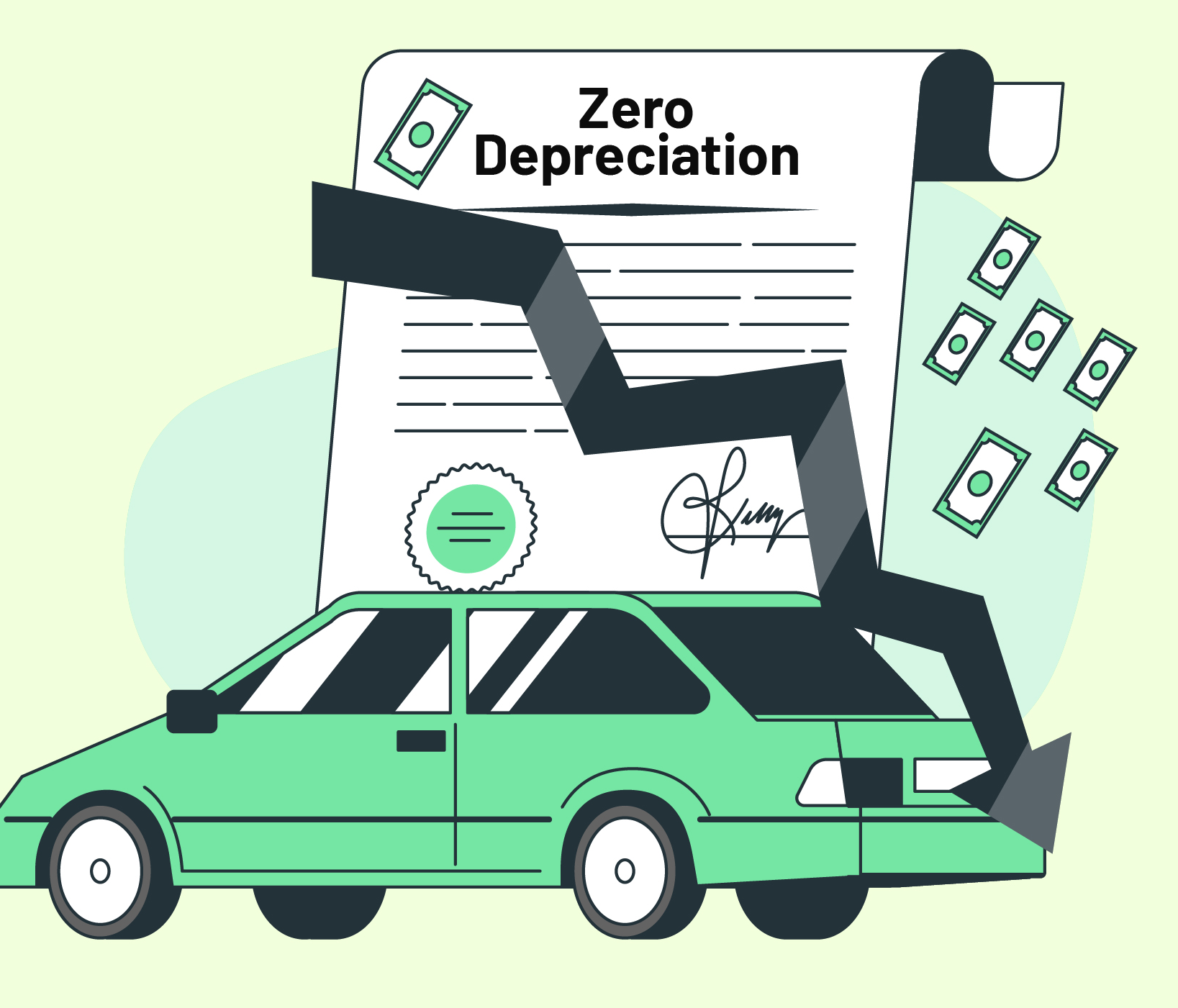
Zero depreciation, engine protection, roadside assistance, etc., are some add-ons that can save you from hefty repair bills.
Response times in need of help matter. Look for an insurer known for straightforward help during emergencies.
Some insurers make it simple to tweak coverage or transfer benefits. So look for insurers who support that flexibility.
With everything shifting online, insurers offering smooth digital claim filing and KYC checks usually save you stress.
When you weigh these factors side by side, the best choice often reveals itself.
Why is Car Insurance Important in 2026?
Car ownership in 2025 looks a little different than it did a decade ago. Cars are more advanced, repair costs are higher, and road traffic continues to rise. That makes insurance less of a formality and more of a shield against risk.
This year also brings new dynamics. Budget 2025 has reshaped GST rules, easing the tax load on premiums. IRDAI has standardized rules on deductibles, add-ons and claims, creating a fairer system for policyholders. So, the value of insurance is in knowing the rules are clearer and the system works faster.
Add to that rising climate risks, frequent floods, and more electric vehicles on the road. Each factor raises the cost of an unexpected accident or breakdown. Insurance gives you breathing room, covering damages that would otherwise feel overwhelming.
Factors to Compare Car Insurance Companies
Comparing insurers side by side can feel like a chore, but it helps you catch the differences that matter. A simple checklist works best:
- Premium vs Coverage: Don’t just chase the lowest price. Make sure the coverage aligns with your car’s needs.
- Add-ons: Look for useful add-ons like zero depreciation, consumables cover, engine protection, etc., based on your driving pattern.
- Garage Network: This becomes especially important if you travel or drive long distances.
- Customer Reviews: These often reveal how supportive insurers are during stressful times.
- Digital Access: Quick online renewals, instant claim tracking, and cashless approvals save you hours.
By weighing these factors, you can tell which insurer offers real value beyond the headline premium.
Get Your Car Insurance Quote in Just a Minutes
Looking for a place to compare all of these factors in one go? SMC Insurance brings premiums, add-ons, and claim stats together so you can decide with clarity.
How to Choose the Best Car Insurance Company in India 2026?
A short note before we start: pick a process you can repeat. Compare two or three insurers the same way, and the choice will get obvious.
Step 1
Start with the Basics
Look up the insurer’s claim settlement ratio and the size of its cashless garage network. High CSR tells you the company actually pays claims. A big garage network means fewer bills to pay up front. These two checks are the quickest filter. But remember, solely relying on the CSR figure while choosing an insurer will not be the right choice.
Step 2
Check the Plan Types and Useful Add-Ons
Make sure the company sells the coverage you want and look at the add-ons. Zero depreciation and engine protection cover save you money during claim time if you drive a new car or live in a flood area. Decide which add-ons would actually help you, not which sound impressive.
Step 3
Check Deductibles and Exclusions
IRDAI sets a standard deductible for own-damage claims. For most private cars it is Rs. 1,000 for engines up to 1500 cc and Rs. 2,000 for larger engines. Read exclusions too. A cheap premium that hides a long exclusions list is a false bargain.
Step 4
Consider No Claim Bonus (NCB)
Remember to protect your NCB. If a policy lapses even by one day, vehicles often require inspection and existing NCB may be affected. Some insurers offer an NCB protector add-on but it costs extra. Hence, plan renewals carefully.
Step 5
Compare Turnaround Times and Support
How quickly does the insurer process a claim? How do they handle disputes? Read recent customer reviews and ask friends about real claim experiences. Speed and a sensible claims team make a policy worth paying for.
Step 6
Run Side-By-Side Quotes
Get quotes for identical coverage levels from different insurers. Change IDV or add-ons only if you understand the trade-off. A lower premium usually means less cover or higher out-of-pocket fees.
Step 7
Final Checks Before You Buy
Confirm the cashless garages near your usual routes, check policy wordings for special conditions, and keep digital copies of your documents. If you’re switching insurers, get an NCB certificate from your old insurer.
Common Mistakes To Avoid When Choosing Car Insurance
Some common mistakes that you should stay wary of are:
- Picking the cheapest premium without checking limits and exclusions. This is the classic trap.
- Ignoring the claim settlement record and network garages. Low CSR or a tiny network costs you later.
- Letting the policy lapse and losing NCB. Renew on time or arrange a short grace.
- Assuming add-ons are unnecessary. Zero depreciation and engine protection can be lifesavers on certain cars.
- Signing without reading cancellation and refund rules. Some refunds use a short-rate scale and there may be processing fees.
Hidden Costs Explained
Hidden costs are avoidable when you look for them:
- Compulsory (standard) deductible: Under this regulation, expect to pay Rs. 1,000 or Rs. 2,000 depending on your car. This applies every time you claim for own damage.
- Voluntary deductible: A voluntary deductible is something you choose to lower premiums. At claim time you pay it on top of the compulsory deductible.
- Depreciation on parts: Without zero-depreciation cover, insurers deduct depreciation on replaced parts. That can cut payouts by a big amount.
- Cancellation and admin fees: If you cancel early, you may see short-rate refund calculations and small administrative charges. Read the refund clause before you pay a full year upfront.
Why buy car insurance from SMC Insurance?
If you want help shortlisting and buying a motor policy, here’s why many people pick SMC.
- You Get Advice that is Meant for You
SMC works for the customer and not the insurer, so they recommend coverage based on your needs, not product push. This matters when you need clear choices.
- Quick Multi-Insurer Comparison
SMC lists plans from many insurers on one screen. You can compare premiums, add-ons, and claim help without clicking across ten sites. That saves time and reduces errors.
- Claims Support
You get 360-degree claims support. We all need help during a claim and SMC highlights that assistance as part of their service.
Summing Up
Car insurance in India has never been more varied or more important. You have plenty of insurers to choose from, a wide menu of add-ons, and clearer regulations. What makes the difference now is not just finding the cheapest premium, but choosing a company that feels dependable when you actually need support.
Think of it this way: the best policy is the one that matches your driving habits, fits your budget comfortably, and gives you confidence that claims will be handled without endless back-and-forth. With the right insurer, you’re buying peace of mind every time you get behind the wheel.
Disclaimer:The information provided on this platform is intended for general awareness and educational purposes. While every effort is made to ensure accuracy, some details may change with policy updates, regulatory revisions, or insurer-specific modifications. Readers should verify current terms and conditions directly with relevant insurers or through professional consultation before making any decision.
All views and analyses presented are based on publicly available data, internal research, and other sources considered reliable at the time of writing. These do not constitute professional advice, recommendations, or guarantees of any product’s performance. Readers are encouraged to assess the information independently and seek qualified guidance suited to their individual requirements. Customers are advised to review official sales brochures, policy documents, and disclosures before proceeding with any purchase or commitment.






 Instant Renewal.
 No Paperwork.