


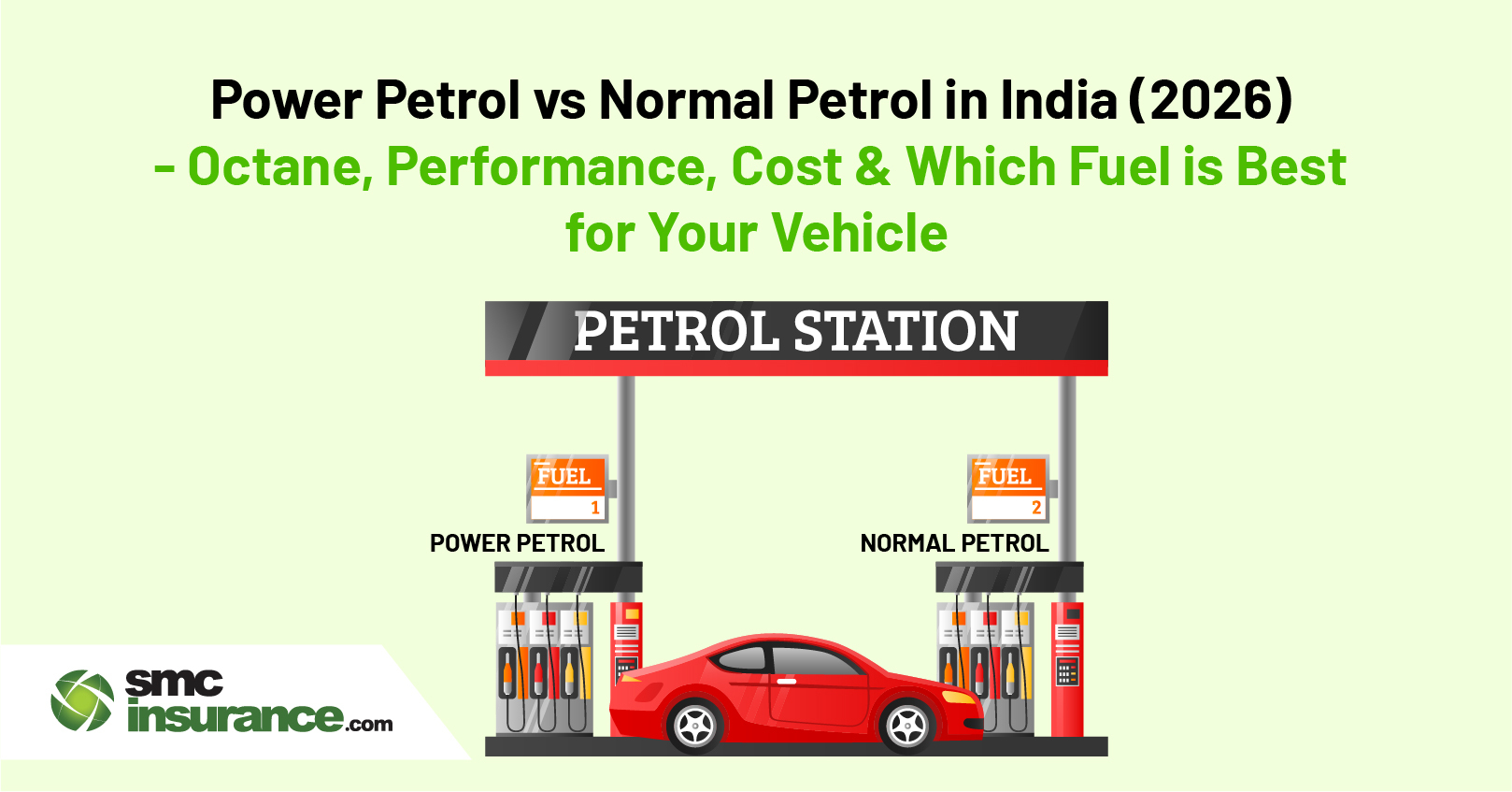

Power petrol has a higher octane rating than normal petrol and is designed for engines that run hotter or at higher compression, like turbocharged or performance-oriented cars. It helps prevent knocking and can improve smoothness in such engines. Normal petrol works perfectly for most mass-market cars in India. Using power petrol in a regular engine does not significantly increase power or mileage. The best choice depends on your car’s engine design and the fuel grade recommended in the owner’s manual.
Strong coffee or regular chai? It depends on who is choosing. Likewise, Power Petrol or normal petrol? Both keep the engine running, yet one whispers promises of smoother drives and happier engines. In India, 2026 has made this choice louder. New cars arrive with sharper tech, traffic grows heavier and fuel bills already test patience. So where does premium fuel really fit in? Does higher octane actually help your car breathe easier, or is it just confidence in liquid form? Will a daily commute packed with signals and slow crawls notice any change, or only cars built to stretch their legs on open roads? And when prices rise, does paying more at the pump buy peace of mind or quiet regret?
Fuel now shapes performance, cost and long term care. Scroll ahead to untangle the science, the myths and the real value behind both choices.
Quick Primer: What Octane Means And Why It Matters
Octane rating sounds technical, but the idea is simple. It tells you how well a fuel can handle pressure before it burns on its own. In a petrol engine, fuel should ignite only when the spark plug fires. When it burns too early because of heat and pressure, it causes knocking. You hear it as a rattling sound and over time it can hurt the engine.
Higher octane petrol resists this early burning. That’s why some engines need it. But higher octane does not mean the fuel has more power packed into it. It does not create extra energy by default.
Engine design is what decides the need. Cars with turbochargers or high compression engines squeeze fuel harder. They run hotter and need petrol that can stay calm under pressure. Regular engines usually don’t.
What is “Power Petrol” in India?
At Indian fuel stations, power or premium petrol is usually sold as a step above regular petrol. It’s marketed for drivers who want smoother performance or better engine care. Most power petrol variants come with a slightly higher octane rating, often around 95, compared to regular petrol which is usually 91.
Along with octane, these fuels often include additives that help parts move more easily and cleaners that keep carbon build-up in check. Drivers are often told to expect better pick-up, smoother acceleration and a quieter drive.
What is Normal Petrol in India?
Normal petrol is the fuel most of us have grown up using. It’s the regular petrol sold at almost every fuel station across the country and it’s what most cars on Indian roads are designed for.
In India, normal petrol typically comes with an octane rating of around 91. It follows standard fuel specs set for everyday driving, city traffic and long highway runs. Hatchbacks, sedans, compact SUVs and most commuter bikes are tuned for this fuel. It’s affordable and widely available. For the average driver, it does the job without fuss.
|
Feature |
Normal Petrol |
|
Typical octane rating |
Around 91 |
|
Availability |
Almost all fuel stations |
|
Engine compatibility |
Most mass-market cars |
|
Cost |
Lowest among petrol options |
|
Best for |
Daily driving, city use |
Octane, Performance and Engine Health
High octane fuel matters most for engines built to demand it. Think cars with turbochargers, high compression ratios, or advanced ignition timing. These engines push fuel harder and hotter. They need petrol that won’t ignite too early.
Using low octane petrol in such engines can cause knocking. At first, it may just sound rough. Over time, it can lead to wear, reduced efficiency and expensive repairs.
But here’s the flip side:
Pouring high octane petrol into an engine tuned for regular fuel won’t magically boost power. Most of the time, the car simply can’t use the extra resistance to knocking.
The safest guide is the owner’s manual. Manufacturers test engines with specific fuel grades in mind. Ignoring that can even affect warranty claims. And when you’re protecting your car long-term, that detail matters just as much as car insurance coverage from platforms like SMC Insurance.
Price Comparison and Cost-Per-Km Analysis
The real question isn’t actually the pump price, it’s what each kilometre costs you. The math is simple:
Fuel cost per km = price per litre/mileage (kmpl).
Let’s use easy numbers you can swap later:
- Say normal petrol costs Rs. 100 per litre and your car gives 15 kmpl. That’s about Rs. 6.7 per km.
- Now take power petrol at Rs. 110 per litre. If it improves mileage to 16 kmpl, your cost becomes roughly Rs. 6.9 per km. You’re paying more per kilometre, even with better efficiency.
- But if mileage rises to 18 kmpl, cost drops to about Rs. 6.1 per km. That’s the break-even moment.
Prices also vary by state because of taxes and local charges. A Rs. 8 - Rs. 12 gap between fuels is common. Paying extra only makes sense when performance gains or fuel economy clearly cover that gap. Otherwise, it’s just a smoother feel at a higher cost.
Which Vehicles Benefit Most From Power Petrol?
Some engines can actually use higher octane fuel. Others simply can’t. Vehicles more likely to benefit include:
- Turbocharged petrol engines, especially smaller ones
- Performance-oriented cars tuned for higher compression
- High compression naturally aspirated engines with advanced ignition timing
- And then there are cars that usually won’t gain much:
- Older engines with basic tuning
- Most small commuter hatchbacks and sedans
- Cars clearly designed around regular petrol
The safest guide is still the car itself. Check the owner’s manual or the fuel cap label. Many modern cars also have knock sensors that adjust timing automatically. If your engine asks for higher octane, it’s for a reason.
Practical Buying Tips
A few grounded rules help cut through the noise:
- Follow the owner’s manual. It’s written for your engine, not marketing.
- Use power petrol for turbo or performance models that recommend it.
- If curious, try one full tank and track mileage and drive feel.
- Stick to reputable fuel stations. Quality matters more than branding. Using a premium fuel occasionally can help with injector cleaning, especially in city-driven cars.
- If things still feel unclear, ask your service centre or watch for ECU warnings.
And remember, long-term engine health goes hand in hand with protection choices made through platforms like SMC Insurance, where coverage fits how you actually drive.
Must-Read Guides From SMC
Wrapping Up
Power petrol is a better option only when your engine can use it. Choose fuel based on design, not promises at the pump. Check your car manual, run a short mileage test and decide from there. If you’ve tried both fuels, share what you noticed. Real experiences help everyone drive smarter.
Disclaimer: The information provided on this platform is intended for general awareness and educational purposes. While every effort is made to ensure accuracy, some details may change with policy updates, regulatory revisions, or insurer-specific modifications. Readers should verify current terms and conditions directly with relevant insurers or through professional consultation before making any decision.
All views and analyses presented are based on publicly available data, internal research, and other sources considered reliable at the time of writing. These do not constitute professional advice, recommendations, or guarantees of any product’s performance. Readers are encouraged to assess the information independently and seek qualified guidance suited to their individual requirements. Customers are advised to review official sales brochures, policy documents, and disclosures before proceeding with any purchase or commitment.
FAQs
Sometimes, but not always. It depends on your engine. Some cars see a small improvement, many see none.
No, using higher octane petrol won’t harm your engine. It just may not give any extra benefit if your car doesn’t need it.
Not really. Some smaller turbo petrol cars also benefit. Price of the car matters less than engine design.
Yes, that’s fine as mixing doesn’t cause damage. Your engine will simply adjust to the fuel quality.
Check the owner’s manual or the fuel cap. That’s the most reliable answer, every time.


