







SMC Insurance
Welcome to SMC.
How may I assist you?

Time Remaining to Avail Tax Benefits
(Under section 80C & 80D)
Get 90 Lakh Health Cover at Just ₹2K


Buy Life Insurance Now!

100% Privacy
Zero Spam

Network
30+ Reliable Insurers

Legacy

Highly rated insurance website
4.1/5

 Instant Renewal.
 No Paperwork.
Plans start at Just ₹6*/day
Electric cars carry a quiet kind of confidence on the road. They glide past gas stations, plug in like a phone at night, and bring their own set of quirks that shape how drivers think about protection. The twist comes when you start sorting through insurance options. A battery that costs more than a small kitchen remodel can make anyone pause. How would you feel if a single repair bill hinged on one hidden part?
Some drivers treat their EV like a pet project they fuss over. Others see it as a trusty partner that gets them from place to place without complaint. Where do you land between those two? And have you tried comparing policies and found yourself wondering why the same car can get such different quotes?
These small puzzles form the starting point. Once you know what shapes the cost and what coverage actually helps, the whole topic becomes far less confusing. To dig deeper into the pieces that matter most, you can follow the article below.
Electric car insurance is simply a motor-insurance plan built to meet both legal requirements and the special needs of electric cars. In India every car including EVs must carry at least a third-party policy under Motor Vehicles Act, 1988. But EV insurance goes beyond that. Because electric cars use costly batteries, electric motors, and other specialized components, a tailored EV policy helps protect against risks conventional policies might overlook.
A good EV plan covers damage to your own vehicle due to accidents, fire, theft or natural disasters. It also offers the usual third-party liability cover in case the vehicle causes injury or damage to others.
On top of that, many insurers offer EV-specific add-ons. These may include battery protection, charger and charging-equipment cover, roadside help tailored for EV breakdowns, and replacement of damaged high-cost EV components.
Here’s a snapshot of some of the leading insurers offering EV-friendly car insurance in India today. The table below compares them on key aspects: claim settlement performance, EV-specific coverage, battery-related claim handling, and availability of add-ons.
|
Insurance Provider |
EV-specific Coverage / Add-ons |
Battery-related Claim Handling / Features |
Add-ons & Extras (charger cover, roadside help, etc.) |
|
ACKO Insurance |
Offers tailored EV plans. |
Covers EV-related damages including battery/motor issues (when opted). |
EV add-ons including battery & charger cover, roadside assistance. |
|
IndusInd General Insurance |
Provides dedicated EV coverage plans. |
Covers theft, accidents, natural disasters, possibly battery damage (if opted). |
Add-ons like zero depreciation, roadside help, EV-specific protection. |
|
HDFC ERGO General Insurance |
Customised EV plans addressing EV risks. |
Offers battery/EV-component covers as add-on. |
Extras like charger coverage, roadside assistance, zero-dep where eligible. |
|
Liberty General Insurance |
Offers EV-specific policies (battery, charger, motor) especially for premium EVs. |
Explicit battery protection add-on; coverage for charger & charging-equipment related damage. |
EV roadside support, charger cover, zero depreciation, and tailored EV repairs. |
Note: Claim settlement records and reliability are based on recent market analyses and public reports.
Looking for a place to compare all of these factors in one go? SMC Insurance brings premiums, add-ons, and claim stats together so you can decide with clarity.
A good electric car insurance plan protects more than just the basics. It reaches into the parts that matter most in an EV.
The battery is the heart of an electric car and also the most expensive part to repair or replace. EV insurance helps you handle damage caused by accidents, fire, short circuits, and other unexpected issues. This single benefit can save a huge amount during tough moments.
Home chargers, portable chargers and charging cables can get damaged during use or while the car is parked. A good EV policy offers cover for these. It makes daily charging less stressful because you know the essentials are protected.
Electric cars need trained technicians and specific tools. Many insurers tie up with workshops that understand EV systems, batteries, motors and electronics. This means repairs are done the right way without long delays.
Running out of charge on the road is a common worry for new EV owners. EV-friendly insurance plans usually offer roadside help that includes towing to the nearest charging point or service centre. It keeps small mishaps from becoming day-long setbacks.
You can strengthen your policy with extras like zero-depreciation cover, battery protection, return-to-invoice, and coverage for accessories. These add-ons give you more control over how well your car is protected.
Electric cars may cost more upfront, but the right insurance keeps long-term expenses in check. Repairs related to batteries, motors or electronics can be expensive. An EV policy cushions these costs and helps maintain the car’s value for longer.
Like all vehicles in India, EVs need at least third-party insurance. An electric car insurance plan ensures you meet legal requirements while also protecting your own car.
Note: Coverage for battery, charger, and accessories is not default under every EV insurance policy or comprehensive policy. Often these come as optional add-ons, and may carry extra premium.
Here’s why traditional car insurance is not enough:
Electric car adoption in India is rising fast. Insurance demand for EVs reportedly surged from around 0.5 % in FY23 to 14 % by 2025. With this rise, battery costs, repair-complexity and spare-parts availability remain key concerns. EV-specific insurance addresses them head-on, shielding owners from steep battery replacements, fire risks, and long repair delays.
EVs rely on lithium-ion batteries, electric motors, onboard chargers, and sensitive electronics. These parts are expensive, and tech for repair is not yet widespread across India. Because of this, EV insurance premiums tend to be higher than for regular cars. The higher price of the vehicle and costly components push up the “Insured Declared Value (IDV)”, which insurers use to calculate premiums.
Electric car insurance works much like regular motor insurance but with a stronger focus on the EV’s unique parts. When you buy a policy, you choose between a basic third-party plan or a comprehensive one. Third-party handles legal liabilities. Comprehensive adds protection for your own car, including the battery, motor and other internal systems.
Once the policy is active, you’re covered for events like accidents, fire, theft, natural disasters and certain electrical issues. If something happens, you file a claim with the insurer. They inspect the damage, check your policy terms and then settle the claim according to the coverage you selected.
Battery-related issues are handled a little differently. Insurers may ask for diagnostic reports from authorised EV workshops because the battery is expensive and sensitive. The process ensures the damage is genuine and falls under the policy’s scope. The same applies to chargers and EV components.
Many insurers also offer cashless repairs at partner garages. So if you visit a network workshop, the insurer pays the bill directly while you cover only what’s not part of your policy.
And since EVs rely heavily on software and electronics, insurance also adapts to faults caused by short circuits or electronic failures, if covered.
Electric cars and fuel-powered cars behave differently on the road, and the same applies to their insurance needs. A regular motor policy isn’t built to handle the unique parts of an EV. That’s why insurers design separate plans that focus on batteries, motors, chargers and high-voltage systems. The table below breaks down how the two types of insurance differ across key aspects that matter to owners:
|
Aspect |
Electric Car Insurance |
Regular Car Insurance |
|
Premium |
Often higher because EVs have costly batteries and electronics. |
Usually lower since parts are cheaper and more widely available. |
|
Risks Covered |
Covers EV-specific risks like battery failure, charger damage and wiring issues, depending on the plan. |
Covers standard engine, fuel system and mechanical risks only. |
|
Battery Cover |
Included in comprehensive EV plans or available as an add-on since the battery is the most valuable part. |
Not included. Conventional policies do not cover EV batteries. |
|
Fire Risk Coverage |
Covers fires caused by thermal runaway, short circuits or external events. |
Covers fire due to fuel or engine-related reasons but does not address EV-specific heat issues. |
|
Charging-related Risks |
Protects home chargers, portable chargers, charging cables and damage during charging. |
Does not cover charging equipment because fuel cars don’t use it. |
|
Motor Damage |
Covers electric motors and related electronics. Repairs can be expensive so the policy adjusts for that. |
Covers engine and mechanical parts but not electric components. |
|
Add-ons |
Offers EV-focused add-ons like battery protection, charger cover, zero depreciation and roadside help for charge failure. |
Standard add-ons like zero depreciation or engine protect, but nothing tailored for EV hardware. |
|
Repair Cost Handling |
Higher claim costs due to specialised parts and trained technicians. Policies are designed to absorb these expenses. |
Lower repair costs since mechanics, tools and parts are easily available. |
|
Insurer Availability |
Growing but still fewer insurers compared to regular car insurance. Many now offer EV-specific plans as adoption rises. |
Widely available from almost all insurers with many variants and add-ons. |
Electric car owners in India can choose between a few policy formats. Each one serves a different purpose, so the right pick depends on how much protection you want.
A clear understanding of inclusions and exclusions helps you avoid surprises during claims. Here is a simple breakdown.
Note: The inclusions and exclusions mentioned may or may not be offered depending on the insurer. Hence, always check the policy’s fine print
Add-ons allow you to shape your policy around the unique needs of an EV. And because electric cars rely on sensitive components, these extras often make a big difference.
This is one of the most important add-ons for EV owners. It helps pay for battery replacement or repairs when the damage is caused by incidents allowed under the policy. With battery costs being so high, this add-on offers strong financial protection.
This covers damage to home chargers, wall boxes, portable chargers and charging cables. Since these items are essential for daily use, it helps to keep them insured.
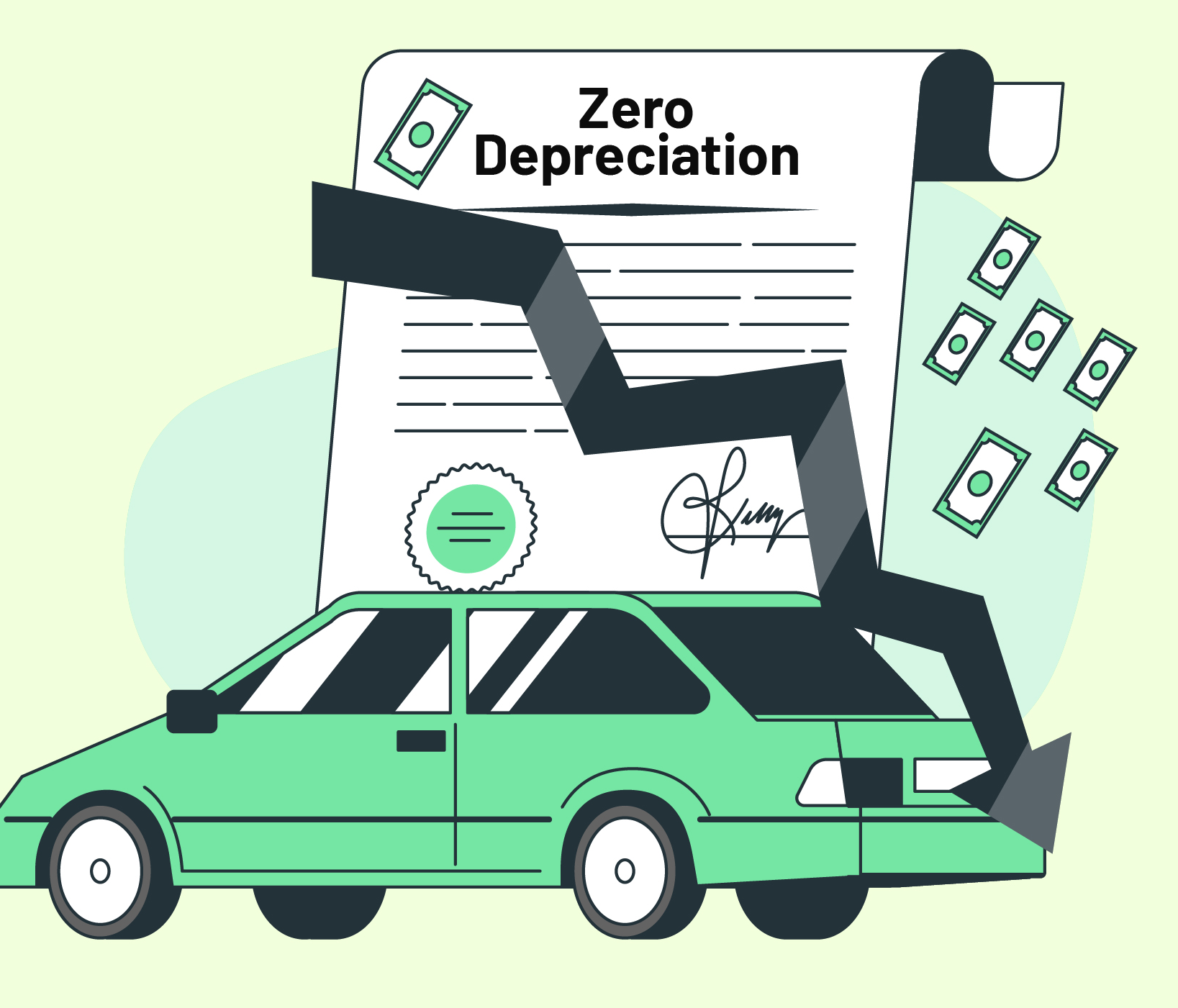
When you file a claim, depreciation can reduce your payout. Zero depreciation removes this cut for eligible parts, giving you a higher claim amount.
Running out of charge or facing electrical issues can leave you stranded. This add-on provides towing to a charging station, battery jump help where possible and support during unexpected breakdowns.
If the car is stolen or declared a total loss, this cover pays the invoice value rather than the depreciated value. It helps you recover most of the money you invested.
Electric cars also use items like nuts, bolts, oils and fluids that may not be covered under standard insurance. This add-on pays for those items during repairs.
EV smart keys are expensive and complex. This add-on pays for key replacement or lock reprogramming when needed.
Electric car insurance in India usually costs more than insurance for petrol or diesel cars. There isn’t a fixed price because every EV model carries a different battery size, motor output and repair cost. Still, most EV owners notice that premiums sit slightly higher than traditional cars in the same segment.
The cost depends on whether you choose only third-party insurance or a comprehensive plan. Since most EV owners go for comprehensive cover, the premium reflects the value of the car, the battery and the add-ons selected. And as the EV market grows, insurers are slowly fine-tuning prices to make the plans more accessible.
A few reasons explain the higher cost:
The battery is the most expensive part of an EV. If it gets damaged in an accident or short circuit, the repair or replacement cost is heavy. Insurers factor this risk into the premium.
Electric motors, high-voltage cables, controllers and onboard chargers need trained technicians and tools for repair. This increases workshop costs, which again pushes premiums upward.
EV parts aren’t yet as widely available as petrol or diesel car parts. When availability is lower, repair costs rise.
EVs often carry a higher IDV because the technology inside them is costly. A higher IDV naturally leads to a higher premium.
If you want an estimate without going through the full purchase process, online premium calculators help. You enter:
The calculator uses these details to show an approximate premium.
Indian insurers determine comprehensive motor-insurance premiums through underwriting rules that follow IRDAI-approved rating principles. While IRDAI does not publish EV-specific comprehensive premiums, it clearly defines the factors that influence own-damage (OD) pricing across all private cars.
By using those factors (and combining them with publicly known EV characteristics) you can estimate a realistic premium range, without relying on insurer data.
IRDAI’s latest EV third-party schedule:
Source: IRDAI - Motor Third-Party Premium Data
|
EV Type |
IRDAI TP Premium |
OD Pressure Level |
Neutral Total Premium Range Category |
|
Small EV (≤ 30 kW) |
Rs. 1,780 |
Low-Moderate |
Lower band for EVs |
|
Mid EV (30–65 kW) |
Rs. 2,904 |
Moderate-High |
Middle band |
|
Premium EV (> 65 kW) |
Rs. 6,712 |
High-Very High |
Upper band |
Buying electric car insurance online is far simpler than most people expect. The process is quick, and you can compare plans without any pressure. Start by gathering a few basic details like your car model, registration year and the city where the car is used. These inputs help the platform pull up the right set of premium quotes.
Next, choose whether you want only third-party cover or a comprehensive plan. Most EV owners prefer comprehensive insurance because it protects the car, the battery and the charging equipment. You can also explore add-ons at this stage. Options like battery protection, charger cover, zero depreciation and roadside assistance make a big difference to an EV’s overall safety net.
After reviewing the plans and their prices, pick the one that fits your needs. Fill in your personal information, confirm your car details and make the payment online. Your insurance policy is emailed to you instantly. The whole process usually takes only a few minutes.
Buying through SMC Insurance adds clarity to the experience because you get choices from multiple insurers in one place. You don’t have to jump between different websites.
Throughout the buying process, you have the option to contact the SMC Team for any kind of support you need.
Filing a claim for an electric vehicle follows the same broad steps as a regular car, with a little more focus on diagnosis for battery or motor issues.
Insurers ask for a simple list of documents to settle EV claims smoothly. Keeping them ready saves time.
Submitting the right documents early helps speed up the verification process, especially for EV components that need technical checks.
Renewing electric car insurance online feels almost as simple as buying it. Most of the work is already done because your details are saved from the previous policy. All you need to do is enter your registration number, confirm the car details and check whether you want to continue with the same cover or make changes.
If your EV is a year older, you may want to add a few extra protections like battery cover or zero depreciation. Or you might decide to switch insurers for a better premium or better EV-specific features. Online renewals make comparison easy, so you see updated prices before you commit.
Once you choose the plan, fill in your personal details, review the premium and pay online. The renewed policy lands in your inbox right away. If you have a valid No Claim Bonus, it is applied automatically during renewal unless you made a claim in the previous year.
Electric cars bring their own patterns when it comes to repairs and claims. Some situations show up more often than others.
Electric car insurance can feel pricey, but there are simple ways to manage the cost without compromising safety.
Pick the add-ons that matter most, like battery protection and charger cover. You don’t need every rider available.
A claim-free year lowers your premium at renewal. If the damage is minor, you can choose to pay from your pocket to preserve your NCB.
Prices and features keep changing. Comparing insurers every year helps you find the best deal for your EV model.
Tracking devices or anti-theft systems lower the risk for the insurer, which may help reduce the premium.
Modifications increase risk and can push premiums up. Keep changes limited to essential accessories or manufacturer-approved upgrades.
If you’re confident about your driving, choosing a higher deductible can slightly lower your premium.
Note: Security devices lower premium only if ARAI-approved. Generic GPS trackers or basic alarms do not always qualify.
The market for used EVs is growing fast, and insurance works much the same way as it does for new ones. The main differences come from the car’s age and battery condition.
Used EVs usually have lower IDV because the value has already depreciated. This often leads to a lower premium. But insurers pay close attention to battery health, previous claims and the service history. A clean record makes the process smooth.
When buying insurance for a used EV, it’s smart to check whether the policy offers strong battery protection, because older batteries may show more wear. Also look for charger cover, roadside assistance and zero depreciation if available for your model.
Disclaimer: The information provided on this platform is intended for general awareness and educational purposes. While every effort is made to ensure accuracy, some details may change with policy updates, regulatory revisions, or insurer-specific modifications. Readers should verify current terms and conditions directly with relevant insurers or through professional consultation before making any decision.
All views and analyses presented are based on publicly available data, internal research, and other sources considered reliable at the time of writing. These do not constitute professional advice, recommendations, or guarantees of any product’s performance. Readers are encouraged to assess the information independently and seek qualified guidance suited to their individual requirements. Customers are advised to review official sales brochures, policy documents, and disclosures before proceeding with any purchase or commitment.
(Showing Newest to Oldest)
Excellent Service
I have purchased a new vehicle and was looking for the car insurance with comprehensive coverage. SMC Website was quick to assist me with the premium amount and the payment process was easy. Happy with their services.
Smooth Process
I purchased my car insurance from SMC, and it has truly been worth it. When my car caused third-party damage, I simply shared the photos and videos with them. Thanks to Sachin, the customer executive, my insurer settled the claim within just a week. Really satisfied with the service!
Excellent Support
This is the best insurance company as they have assisted me well while buying the car insurance policy. Kudos to SMC!
Electric cars need the same legally mandatory third-party insurance as any other vehicle. However, many insurers offer EV-focused add-ons (such as battery and charger protection) that strengthen coverage for electric-specific components.
Usually not. Comprehensive insurance for EVs can cost more because batteries, power electronics and repairs tend to be more expensive than for petrol or diesel cars.
Only when the policy includes battery protection. This add-on generally covers battery damage from events like accidents, fire, short circuits or flooding. Natural ageing or loss of capacity is not covered.
Often yes. Higher vehicle value, costly batteries and specialised repair needs increase the premium for comprehensive EV coverage. Third-party premiums, however, follow IRDAI’s fixed rate structure based on battery capacity.
Damage from fire is covered under the standard own-damage section of a comprehensive policy, as long as the fire results from an insured event. EV add-ons may extend protection to electrical or thermal-related fires.
Yes, if you choose a charger and accessory protection add-on. This typically covers home charging units, portable chargers and charging cables.
No, reduced range or gradual loss of battery capacity is considered normal wear and tear and is not covered by insurance. Only sudden, accidental or fire-related battery damage is eligible for claims under a relevant add-on.
Yes, damage to your EV is covered if it arises from an insured cause such as accident, fire or short circuit. Damage to the charging station itself is covered only if your vehicle is responsible and third-party liability applies.
Every year. Renewal ensures continuous protection and keeps the vehicle legally compliant. Multi-year third-party cover may apply for new cars.
Yes, flooding, storms and water ingress are covered under own-damage protection. This includes harm to electrical systems if the damage results from a natural disaster.
Yes, since EV components are valuable, zero-depreciation helps you receive a higher payout during repairs by removing depreciation on eligible parts. Availability depends on the car’s age.
Tyres are covered when damaged in an accident. Regular wear is not included. Owners can opt for a tyre protection add-on if they want broader coverage.


SMC Insurance Brokers Pvt. Ltd.
SMC Metro Mall, Near Pratap Nagar Metro Station, Pratap Nagar, New Delhi-110007
Registration No: 289, Registration Code No: IRDAI/DB-272/04/289, Valid till: 27/01/2029, License category: Composite Broker, CIN: U66000DL1995PTC172311
Insurance is the subject matter of solicitation.
Visitors are hereby informed that their information submitted on the website may be shared with insurers.
Product information is authentic and solely based on the information received from the Insurer.

Scan to Download
SMC Insurance App
