


In India, driving licences are issued based on vehicle category and usage. The four main types are:
- Learner’s Licence (LL) - Temporary permit for beginners
- Permanent Driving Licence (DL) - Issued after passing the driving test
- Commercial Driving Licence - Required for taxis, buses, trucks, and transport vehicles
- International Driving Permit (IDP) - Allows Indian licence holders to drive abroad
Vehicle categories include:
- MCWG - Motorcycle with gear
- MCWOG - Motorcycle without gear
- LMV - Light Motor Vehicle (private cars)
- LMV-TR - Commercial light vehicles
- HMV - Heavy Motor Vehicle
- PSV - Public Service Vehicle
A non-transport licence is meant for personal vehicles, while a transport licence is required for commercial use. Driving outside your approved category can lead to penalties and insurance claim rejection. Always check your licence category and validity through the official Parivahan Sewa portal before driving or renewing motor insurance.
In India, getting a driving licence can be compared to choosing the right key for a lock. It’s as simple as one key won’t open every door.
The same goes for driving. A scooter and a geared bike are not treated the same. A small personal car is different from a taxi. And the moment a truck or bus enters the scene, you are dealing with a whole new category. Many people assume one licence covers it all. That assumption can cost you a fine, or worse, trouble during a traffic check.
Those tiny letters printed on the card tell the real story. LMV, MCWG, HMV, Transport - they may look like random abbreviations, but each one defines exactly what you are allowed to drive on Indian roads. Does LMV include commercial vehicles? Can you switch from a bike to a car without applying again?
Rules in 2026 are clearer, yet the confusion still lingers. Let’s sort it out and walk through every driving licence type and code in India, one by one.
What Is a Driving License and Why Does It Matter?
A driving licence is the government’s way of saying you are allowed to drive a certain type of vehicle on Indian roads. It is issued by the Regional Transport Office under the Motor Vehicles Act. Without it, driving is illegal. Most people start with a Learner Licence. This is the first step. It lets you practice driving under basic rules. After that comes the driving test. If you pass, you get a Permanent Licence. If you plan to drive in another country, you need an International Driving Permit.
Driving Licence Codes and Their Meaning
When you look closely at your licence, you will see short codes printed on it. Two or three letters. Most people ignore them. But those codes decide what you are legally allowed to drive.
If the vehicle does not match your licence category, you can be fined. And if an accident happens, car insurance complications can follow. Here is the complete list of driving licence codes used in India in 2026, explained in simple terms.
Complete List of Driving Licence Codes in India
|
Licence Code |
Full Form |
What It Allows You to Drive |
Common Example |
|
LL |
Learner Licence |
Temporary permit to learn driving |
Practicing with an instructor |
|
DL |
Permanent Licence |
Full licence after passing driving test |
Regular drivers |
|
IDP |
International Driving Permit |
Permission to drive in foreign countries |
Driving abroad |
|
MCWOG |
Motorcycle Without Gear |
Two-wheelers without gears |
Scooters, mopeds |
|
MCWG |
Motorcycle With Gear |
Geared motorcycles |
Bikes like 150cc or 350cc |
|
MC 50CC |
Motorcycle up to 50cc |
Small engine bikes up to 50cc |
Low-capacity mopeds |
|
LMV |
Light Motor Vehicle |
Small vehicles for personal use |
Cars, jeeps |
|
LMV-NT |
LMV Non-Transport |
Private vehicles not used commercially |
Personal car |
|
LMV-TR |
LMV Transport |
Light vehicles used for commercial purposes |
Taxi, small delivery van |
|
MGV |
Medium Goods Vehicle |
Medium-sized goods vehicles |
Mid-sized trucks |
|
MPV |
Medium Passenger Vehicle |
Medium passenger vehicles |
Mini-bus |
|
HMV |
Heavy Motor Vehicle |
Large heavy vehicles |
Big trucks |
|
HGMV |
Heavy Goods Motor Vehicle |
Heavy goods carriers |
Long-haul cargo truck |
|
HPMV |
Heavy Passenger Motor Vehicle |
Large passenger buses |
Intercity bus |
|
HTV |
Heavy Transport Vehicle |
Heavy commercial transport vehicles |
Heavy transport trucks |
|
PSV |
Public Service Vehicle |
Vehicles used for public transport |
Taxi, bus |
|
FVG |
Forklift Vehicle |
Industrial forklift vehicles |
Warehouse forklift |
|
Tractor Licence |
Tractor Driving Licence |
Agricultural tractors |
Farm tractor |
|
Invalid Carriage Licence |
Licence for adapted vehicles |
Specially designed vehicles for persons with disabilities |
Modified car |
Main Types of Driving Licence in India
When people say “driving licence,” they usually think it’s just one standard card. But it’s not that simple. In India, licences are issued based on where you are in your driving journey and what kind of vehicle you plan to drive. Some are meant for beginners. Some are for daily private drivers. And some are strictly for commercial use. Let’s walk through the four main types you should know in 2026:
- Learner’s Licence (LL)
This is where it all begins. A Learner’s Licence is a temporary permit given to someone who is just starting out. You apply, take a basic test on traffic rules and road signs, and once you pass, you are allowed to practice driving.
But there are conditions:
You must display an “L” sign on your vehicle. You cannot drive alone in certain cases. And this licence is valid only for a limited period, usually six months. During this time, you’re expected to practice properly. Not just steering and braking, but understanding traffic discipline.
After at least 30 days of holding a Learner’s Licence, you can apply for a driving test for a permanent licence. Think of this stage as your training ground. It prepares you for real-world driving, not just passing a test.
- Permanent Driving Licence (DL)
Once you pass the official driving test conducted by the Regional Transport Office, you receive a Permanent Driving Licence. This is the licence most people carry in their wallet. It allows you to drive the vehicle categories mentioned on it, such as LMV for cars or MCWG for geared motorcycles. The categories printed on your licence matter a lot. You cannot legally drive a vehicle that falls outside those codes.
A Permanent Licence is generally valid for 20 years or until you turn 40, depending on your age at the time of issue. After that, it needs renewal. If you are involved in an accident and you do not hold a valid permanent licence for that vehicle category, insurance claims can get complicated. At SMC Insurance, we always remind vehicle owners to check both their insurance policy and licence details. Both must align.
- Commercial Driving Licence
Now this one is different. A Commercial Driving Licence is required if you drive vehicles for business or income. This includes taxis, buses, trucks, delivery vehicles, and other transport vehicles. The eligibility rules are stricter. The applicant must meet age requirements, usually higher than for private licences. Formal training from a recognised driving school may also be required, especially for heavy vehicles.
And the responsibility is greater. Commercial drivers carry passengers, goods, or both. So the law expects higher standards of safety and skill. The vehicle categories under commercial licences may include LMV-TR, HMV, PSV, and other transport-related codes. If someone drives a commercial vehicle using only a private LMV licence, that is a violation. And during an insurance claim, this mismatch can lead to rejection. For anyone earning through driving, the right commercial category is not optional. It’s essential.
- International Driving Permit
Planning to drive outside India? Then you need an International Driving Permit, often called an IDP. This document allows Indian licence holders to drive in foreign countries that recognise the permit. It works as a translation of your Indian driving licence into multiple languages and follows international conventions.
You cannot apply for an IDP without holding a valid Permanent Indian Driving Licence. The permit is usually valid for one year. And it does not replace your Indian licence. You must carry both documents together when driving abroad. Many travellers assume their Indian licence alone will work overseas. But in most cases, authorities require an IDP. So if you are relocating, studying abroad, or planning a long stay in another country, this permit becomes important.
Driving Licence Types Based on Vehicle Categories
When someone says, “I have a driving licence,” the real question is, for which vehicle? In India, your licence is tied to the type of vehicle you are allowed to drive. A two-wheeler is different from a private car. A taxi is different from a truck. And heavy vehicles follow stricter rules than personal vehicles.
So let’s break this down in a simple way. Below are licence types grouped by vehicle category, along with what they allow and how long they usually stay valid.
➔ Motorcycle Licence Types
This category is for two-wheelers. But even here, there are differences. A scooter without gears is not treated the same as a geared motorcycle.
|
Licence Code |
Vehicle Type |
What You Can Drive |
Validity |
|
MC 50CC |
Motorcycle up to 50cc |
Small bikes with engine capacity up to 50cc |
20 years or until age 40 (whichever is earlier) |
|
MCWOG |
Motorcycle Without Gear |
Scooters and mopeds without gears |
20 years or until age 40 |
|
MCWG |
Motorcycle With Gear |
Geared motorcycles of any engine capacity |
20 years or until age 40 |
|
LL (Motorcycle category) |
Learner Licence |
Allows practice riding under rules |
6 months |
For most private riders, MCWG is the common category. And yes, if you hold MCWOG, you cannot legally ride a geared bike.
➔ Light Vehicle Licence Types
This is the most common category in India. It covers private cars and small commercial vehicles.
|
Licence Code |
Vehicle Type |
What You Can Drive |
Validity |
|
LMV |
Light Motor Vehicle |
Cars, jeeps, small vans |
20 years or until age 40 |
|
LMV-NT |
LMV Non-Transport |
Private cars for personal use |
20 years or until age 40 |
|
LMV-TR |
LMV Transport |
Commercial light vehicles like taxis |
3-5 years (renewable) |
|
DL (Permanent) |
Permanent Licence |
Based on approved vehicle categories |
As per category rules |
Here’s where many people get confused. If your licence says LMV-NT, it is meant for private use. The moment you use that car for commercial work, the category changes.
➔ Heavy Vehicle Licence Types
Heavy vehicles come with greater responsibility. These licences are usually issued after stricter checks and, in many cases, formal training.
|
Licence Code |
Vehicle Type |
What You Can Drive |
Validity |
|
HMV |
Heavy Motor Vehicle |
Large heavy vehicles |
3-5 years (renewable) |
|
HGMV |
Heavy Goods Motor Vehicle |
Heavy trucks carrying goods |
3-5 years |
|
HPMV |
Heavy Passenger Motor Vehicle |
Large passenger buses |
3-5 years |
|
HTV |
Heavy Transport Vehicle |
Heavy commercial transport vehicles |
3-5 years |
Heavy vehicle licences are typically valid for shorter periods compared to private licences. Renewal involves medical checks in many cases.
➔ Medium Vehicle Licence Types
Medium vehicles fall between light and heavy categories. These are often used for goods transport or passenger services.
|
Licence Code |
Vehicle Type |
What You Can Drive |
Validity |
|
MGV |
Medium Goods Vehicle |
Mid-sized goods trucks |
3-5 years |
|
MPV |
Medium Passenger Vehicle |
Mini-buses and medium passenger vehicles |
3-5 years |
These are mostly commercial in nature. So their validity period is shorter than private LMV licences.
➔ Other Vehicle Licence Types
There are also specialised categories that many people are not aware of.
|
Licence Code |
Vehicle Type |
What You Can Drive |
Validity |
|
PSV |
Public Service Vehicle |
Taxis, buses, public transport vehicles |
3-5 years |
|
FVG |
Forklift Vehicle |
Industrial forklift machines |
3-5 years |
|
Tractor Licence |
Agricultural Vehicle |
Tractors used for farming |
20 years or until age 40 (if non-transport) |
|
Invalid Carriage Licence |
Specially Adapted Vehicles |
Vehicles designed for persons with disabilities |
20 years or until age 40 |
|
IDP |
International Driving Permit |
Allows driving in foreign countries (with Indian DL) |
1 year |
The International Driving Permit stands apart. It does not replace your Indian licence. It simply allows you to drive in countries that recognise it, provided your Indian licence is valid.
Transport vs Non-Transport Licence Explained
This is one of the most common mix-ups. You may have an LMV licence. But the real question is this: is it for private use or commercial use? Because, that single detail changes everything.
A Non-Transport licence is meant for personal vehicles. A Transport licence is required when the vehicle is used to earn money. That includes taxis, delivery vans, buses, trucks and similar vehicles. Here’s a simple comparison:
|
Point of Difference |
Non-Transport Licence |
Transport Licence |
|
Purpose |
Personal use |
Commercial or income-based use |
|
Common Example |
Private car, personal bike |
Taxi, truck, bus |
|
Licence Code Example |
LMV-NT |
LMV-TR, PSV, HMV |
|
Validity |
Usually 20 years or until age 40 |
Usually 3 to 5 years |
|
Medical Check |
Not always required frequently |
Often required at renewal |
How to Check Your Driving Licence Type Online?
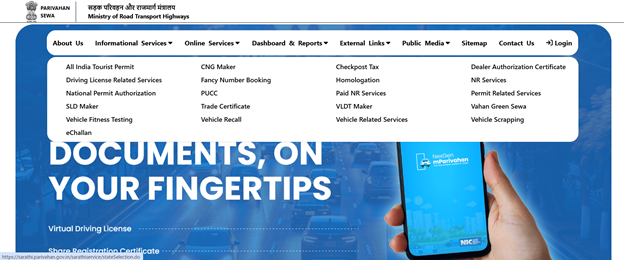
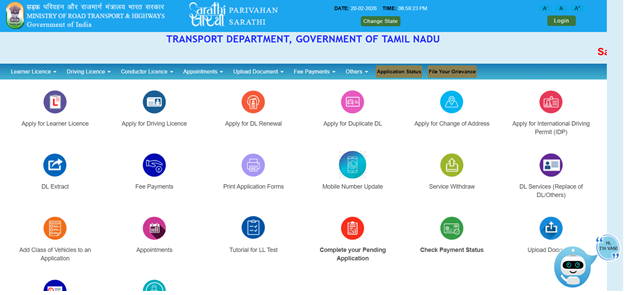
Not sure which category your licence falls under? You can check it online in a few minutes. Here’s the simple process:
- Visit the official Parivahan Sewa website.
- Go to the “Driving Licence Services” section.
- Select “Check Driving Licence Status.”
- Enter your driving licence number and date of birth.
- Submit the details.
- You’ll see your licence status, validity, and the vehicle categories listed against your name.
And it’s worth checking once in a while, especially before buying a new vehicle or renewing motor insurance.
How to Apply for the Correct Driving Licence Type in India?
If you realise your current licence does not match the vehicle you plan to drive, you can apply for an additional category. Here’s how it works:
- Visit the Parivahan Sewa portal.
- Choose “Apply for Driving Licence” or “Add Vehicle Class.”
- Fill in your details and select the vehicle category you need.
- Upload required documents.
- Pay the application fee online.
- Book a slot for the driving test, if required.
- Appear for the test at the RTO.
- If you pass, the new category will be added to your licence.
- For transport licences, you may need extra documents and sometimes proof of training from an authorised driving school.
Eligibility Criteria for Procuring a Driving Licence in India
Before applying, you must meet certain conditions:
- Minimum 16 years of age for motorcycles up to 50cc
- Minimum 18 years for private vehicles
- Minimum 20 years for commercial vehicles
- Basic knowledge of traffic rules
- Valid Learner’s Licence before applying for permanent licence
- Medical fitness, especially for transport categories
Age and category go hand in hand. You cannot skip stages.
Documents Required for Obtaining a Driving Licence in India
Here are the documents generally required:
- Proof of age such as Aadhaar card, PAN card, or birth certificate
- Proof of address such as Aadhaar card, voter ID, or utility bill
- Passport-sized photographs
- Learner’s Licence number
- Medical certificate for transport licence applicants
- Application form (submitted online or at RTO)
- For an International Driving Permit, you may also need passport details and travel documents.
Always check the latest list on the official portal before applying.
Insurance Impact of Wrong Licence
This part is important. If the driver does not hold a valid licence for that vehicle category, insurance claims can be rejected.
For example:
- Driving a commercial vehicle with a private LMV-NT licence
- Riding a geared motorcycle with only MCWOG
- Driving a heavy vehicle without proper heavy vehicle endorsement
In such cases, insurers may deny the claim based on licence violation. Insurance protects you, but only when rules are followed.
Common Mistakes & Tips
Here are mistakes people often make:
- Not checking licence category before driving a new vehicle
- Assuming LMV covers commercial use
- Forgetting to renew transport licences on time
- Ignoring medical certificate requirements
- Not updating address on the licence
- And here are a few simple tips:
- Always match your vehicle type with your licence code
- Check your licence validity once a year
- Renew transport licences before expiry
- Keep both digital and physical copies accessible
- Confirm licence details before filing an insurance claim
Driving legally is not complicated. But it does require attention to detail. And when your licence, vehicle, and insurance policy all align, you avoid stress later. That’s something every vehicle owner appreciates.
Summing Up,
Driving in India starts with having the right licence. And not just any licence, but the correct category printed on it. From MCWG for geared bikes to LMV for private cars, and HMV for heavy vehicles, each code has a clear purpose. Add to that the difference between transport and non-transport categories, and it becomes clear that small details matter.
Many people only check their licence when it’s time for renewal. But it makes sense to review it sooner. Especially before buying a new vehicle or using your car for commercial work.
Disclaimer:The information provided on this platform is intended for general awareness and educational purposes. While every effort is made to ensure accuracy, some details may change with policy updates, regulatory revisions, or insurer-specific modifications. Readers should verify current terms and conditions directly with relevant insurers or through professional consultation before making any decision.
All views and analyses presented are based on publicly available data, internal research, and other sources considered reliable at the time of writing. These do not constitute professional advice, recommendations, or guarantees of any product’s performance. Readers are encouraged to assess the information independently and seek qualified guidance suited to their individual requirements. Customers are advised to review official sales brochures, policy documents, and disclosures before proceeding with any purchase or commitment.
FAQs
There are four main types. Learner’s Licence, Permanent Driving Licence, Commercial Driving Licence, and International Driving Permit. Within these, there are multiple vehicle categories such as LMV, MCWG, HMV and others.
The main types are:
- Learner’s Licence (LL)
- Permanent Driving Licence (DL)
- Commercial Driving Licence
- International Driving Permit (IDP)
MCWG allows you to ride motorcycles with gears. MCWOG is only for two-wheelers without gears, such as scooters and mopeds.
MCWG stands for Motorcycle With Gear. It covers geared bikes. LMV stands for Light Motor Vehicle. It usually covers private cars, jeeps, and small vehicles.
LMV allows you to drive light motor vehicles like private cars. HMV allows you to drive heavy motor vehicles such as large trucks and buses.
LMV means Light Motor Vehicle, mostly for private use. LCV means Light Commercial Vehicle, which is used for business purposes such as small goods transport. For LCV, a transport category endorsement is usually required.
No, if your LMV licence is marked as Non-Transport, it is meant only for private use. To drive a taxi or cab legally, you need a transport endorsement such as LMV-TR.
You need a transport category licence. Usually LMV-TR along with a Public Service Vehicle endorsement, depending on local RTO rules.
You may face fines, legal penalties, and possible rejection of insurance claims if an accident occurs. The vehicle type must match the category printed on your licence.
Visit the Parivahan Sewa portal and go to Driving Licence Services. Enter your licence number and date of birth and you will be able to see your licence status and vehicle categories listed.
No separate licence is required just because a vehicle is electric. The category depends on the type of vehicle. For example, an electric car still falls under LMV, and an electric scooter falls under the relevant motorcycle category.


