


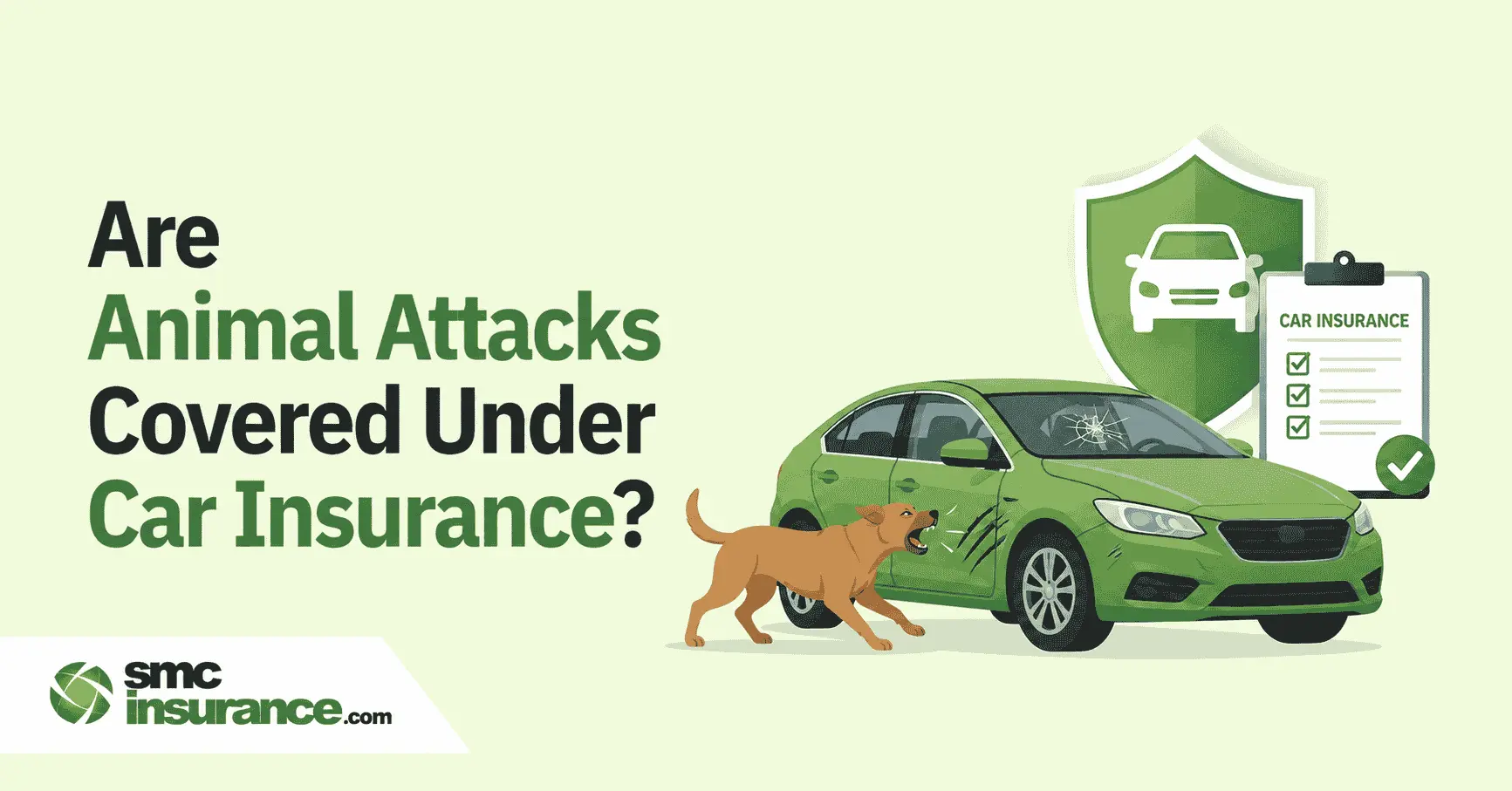
Yes, comprehensive car insurance generally provides own-damage protection for accidental animal-related damage, including collisions with animals, subject to the policy's terms, conditions, exclusions and deductibles. Third-party-only insurance does not cover damage to your own car. Rodent damage is treated differently by insurers, so check the policy wording before assuming it is covered. A claim can also affect your No Claim Bonus at renewal unless your policy includes applicable NCB protection.
Here's a scene most car owners in India know too well. You step out one morning, walk toward your parked car and find a set of scratches running down the door, or worse, wires chewed clean through under the bonnet. No one hit your car. No one broke in. It was an animal, a stray dog, a monkey, sometimes even rats looking for a warm place to nest. And now you're staring at a repair bill wondering if your insurer will even pay for it. By the end of this piece, you'll know exactly when animal damage gets covered, when it doesn't and how to actually file that claim without it getting rejected.
Table of Contents
- Does Car Insurance Cover Animal Attacks?
- What Types of Animal Damage Does Car Insurance Actually Cover?
- How to Claim Car Insurance for Animal Attack Damage
- When Might Your Animal Damage Claim Get Rejected?
- Does Filing an Animal Damage Claim Affect Your Premium or NCB?
- Ways to Prevent Animal Damage to Your Car
- Comprehensive vs Third-Party: Why It Matters Here
Does Car Insurance Cover Animal Attacks?
Yes, animal-related damage to your own car may be covered under a comprehensive or standalone own-damage policy, depending on the nature of the incident and your policy wording. Accidental collisions with animals are generally treated as covered own-damage events under policies that provide the relevant protection. Rodent damage can have different conditions across insurers, so check your policy wording before raising a claim. If you only carry third-party liability cover, which pays for damage you cause to someone else's vehicle or property, your own car's animal-inflicted wounds are on you.
This matters more in India than most drivers realise. Stray cattle, dogs and monkeys share our roads and parking lots daily and the damage they cause isn't rare or freak. It's routine enough that insurers have settled patterns for handling these claims.
What Types of Animal Damage Does Car Insurance Actually Cover?
Not every scratch or dent from an animal gets treated the same way by your insurer. Some incidents are textbook covered, others depend on how the surveyor reads the situation.
Animal-Related Damage |
Coverage Position |
Collision with a stray cow, dog or buffalo |
Generally covered under applicable own-damage/comprehensive cover, subject to policy terms |
Collision with a wild animal |
Generally covered when treated as accidental damage, subject to policy terms |
Animal damage to mirrors, wipers or exterior parts |
May be covered if the damage falls within the policy's insured perils and is accidental |
Windshield damage caused by an animal collision |
Generally covered when caused by an insured accidental event, subject to terms and deductible |
Scratches caused by an animal |
Depends on the circumstances and policy wording |
Rodent/rat damage to wiring |
Insurer and policy specific |
Damage under third-party-only insurance |
Not covered as own-vehicle damage |
Note: "Usually covered" isn't a guarantee. Insurers still assess each claim on its facts and policy wording differs from one company to another, so always check your specific policy document before assuming coverage.
Rodent damage deserves a special mention here because it trips up more claimants than any other animal-attack scenario. A cow hitting your bumper is obvious and instant. A rat chewing through wiring happens slowly, often while the car sits unused for days and you may only discover it during a routine service. Some insurers treat this as accidental external damage and pay out. Others argue it falls under wear and tear or a maintenance lapse, which comprehensive policies typically exclude. Since there's no single rule across the industry, this is one area worth confirming directly with your insurer or advisor before you assume you're covered.
How to Claim Car Insurance for Animal Attack Damage
Getting your claim approved comes down to how quickly and cleanly you act after discovering the damage.
- Report it immediately
Call, email, or use your insurer's app the moment you spot the damage or your car meets with the incident. Early intimation helps the insurer assess the loss and guide you through the claim process. However, delayed intimation by itself should not automatically be treated as grounds for rejecting or closing a claim, subject to the applicable regulatory framework and policy terms. - Document everything before touching the car
Take clear photos and videos of the damage and, if possible, the surroundings. This becomes your primary evidence during the survey. - Wait for the surveyor
Do not begin repairs until you have informed the insurer and received instructions on the claim assessment process. Starting repairs without following the insurer's instructions can affect the assessment of the loss, so obtain approval before proceeding wherever required. - Submit your documents
Commonly requested documents include the claim form, RC, repair estimate and repair invoice or payment receipt. The insurer may also request the driving licence, photographs and an FIR or other supporting document where applicable. - Choose cashless or reimbursement
If your policy provides a cashless repair facility and you use an eligible network garage, the insurer settles the admissible claim amount directly with the garage, subject to deductibles and policy terms. Under a reimbursement claim, you generally pay the repair bill first and claim the admissible amount from the insurer.
If you're unsure whether a claim is even worth filing for something minor, like light scratches from a stray dog, weigh the repair cost against what it might do to your No Claim Bonus before you decide.
When Might Your Animal Damage Claim Get Rejected?
Comprehensive cover is broad, but it isn't unconditional. Insurers commonly reject animal-damage claims when:
- You only hold third-party insurance and not comprehensive cover
- The specific damage falls under a policy exclusion
- You reported the incident well after it happened
- Repairs were carried out before the surveyor inspected the vehicle
- The claim form contains false or incomplete information
Reading your policy wording carefully, especially the exclusions section, saves you from an unpleasant surprise at claim time.
Does Filing an Animal Damage Claim Affect Your Premium or NCB?
This is where a lot of policyholders get caught off guard. Filing a claim for animal damage doesn't directly spike your premium the way, say, a DUI record might for a health policy. A claim can affect your No Claim Bonus (NCB) at the next renewal. Under IRDAI's current motor insurance guidance, NCB is earned for claim-free periods and can increase from 20% to a maximum of 50% of the own-damage premium. If a claim is lodged, the NCB is lost in the subsequent policy period unless applicable NCB protection is available under the policy. That discount can run as high as 50% after five consecutive claim-free years, so losing it on a Rs. 2,000 scratch repair often costs you more over time than paying for the repair yourself.
At SMC Insurance, we usually tell clients to run the numbers before filing: compare the repair estimate against what you stand to lose in NCB value next year. For minor cosmetic damage like a paw scratch on the bumper, paying out of pocket is frequently the smarter call. For major damage like chewed wiring that's caused engine trouble, or a collision with a large animal, filing the claim almost always makes financial sense. If you want to keep your NCB intact regardless of claims, the NCB Protector add-on is worth considering at your next renewal.
Thinking through whether that scratch is really claim-worthy? We can help you weigh the repair cost against your NCB and walk you through the right call for your specific policy.
Ways to Prevent Animal Damage to Your Car
Prevention costs a lot less than any claim, covered or not.
- Park in a closed garage where possible
Cars parked on the street or in open lots are far more exposed to strays and monkeys than those tucked away in covered parking. - Keep windows and the sunroof shut
An open window or sunroof is an open invitation, especially for monkeys in residential colonies near parks or hills. - Don't leave food inside the car
Crumbs and food wrappers draw rodents and monkeys alike and rats in particular are famous for turning wiring insulation into a snack. - Consider a rodent repellent spray or mesh
This can help for the engine bay if you live in an area with a known rat problem, common in cars parked in covered basements for extended stretches. - Hold a comprehensive policy as your backstop
Even with precautions, some damage is unavoidable. This is what actually gets your repair bill paid.
Comprehensive vs Third-Party: Why It Matters Here
If you're still deciding between a comprehensive and a third-party-only policy, animal-attack coverage is a good example of why the extra premium is usually worth it. Third-party insurance is legally mandatory for vehicles plying on Indian roads. It covers your legal liability towards third parties, but it does not pay for damage to your own car. To protect your vehicle against covered animal-related damage, you need an applicable own-damage cover, such as comprehensive insurance or standalone own-damage insurance.
Summing Up
Animal attacks on cars are common enough in India that most comprehensive insurers have a clear, if not always identical, way of handling them. Animal-related damage can be covered under applicable own-damage insurance, but coverage depends on how the damage occurred and the terms, conditions, exclusions and deductibles of the policy. Animal collisions are generally treated as accidental damage, while rodent-related damage can vary by insurer and policy. Rodent damage sits in a greyer zone and depends heavily on your specific insurer's wording. The real work on your end is acting fast, documenting the damage before repairs and being honest about whether a small claim is worth the NCB hit. Read your policy exclusions once, properly, before you ever need to use them. That's the difference between a smooth claim and a rejected one.
Disclaimer: The information provided on this platform is intended for general awareness and educational purposes. While every effort is made to ensure accuracy, some details may change with policy updates, regulatory revisions, or insurer-specific modifications. Readers should verify current terms and conditions directly with relevant insurers or through professional consultation before making any decision.
All views and analyses presented are based on publicly available data, internal research, and other sources considered reliable at the time of writing. These do not constitute professional advice, recommendations, or guarantees of any product’s performance. Readers are encouraged to assess the information independently and seek qualified guidance suited to their individual requirements. Customers are advised to review official sales brochures, policy documents, and disclosures before proceeding with any purchase or commitment.
FAQs
Yes, comprehensive car insurance typically covers accidental scratches caused by a dog, subject to your policy's specific terms and exclusions. Third-party-only policies won't cover this since it's damage to your own vehicle.
Filing the claim itself doesn't directly raise your premium, but it resets your No Claim Bonus to zero at renewal, which indirectly increases what you pay unless you hold an NCB Protector add-on.
An FIR is not necessarily required for every animal-related damage claim. Whether it is needed depends on the circumstances of the loss and the insurer's claim requirements. For example, IRDAI's motor insurance guidance lists an FIR as a document that may be required where applicable. Police FIRs are generally reserved for vehicle theft or serious accidents involving third-party injury.
Not always. Rodent damage is insurer- and policy-specific. Some current insurers explicitly cover rat-bite damage, while others may impose different conditions or require specific protection. Some treat it as accidental external damage and pay out, others classify it under exclusions related to wear and tear. Check your specific policy or ask your advisor.
You'll need your policy copy, a completed claim form, your driving licence, the vehicle's RC and clear photographs of the damage along with a repair estimate from the garage.
Not always. If the repair cost is close to or less than the value of the NCB discount you'd lose, paying out of pocket is often the smarter financial move. Save the claim for damage that's genuinely expensive to fix.
Yes, insurers can reject animal-damage claims for delayed reporting, repairs done before inspection, incomplete documentation, or if the damage falls under a specific policy exclusion.


