


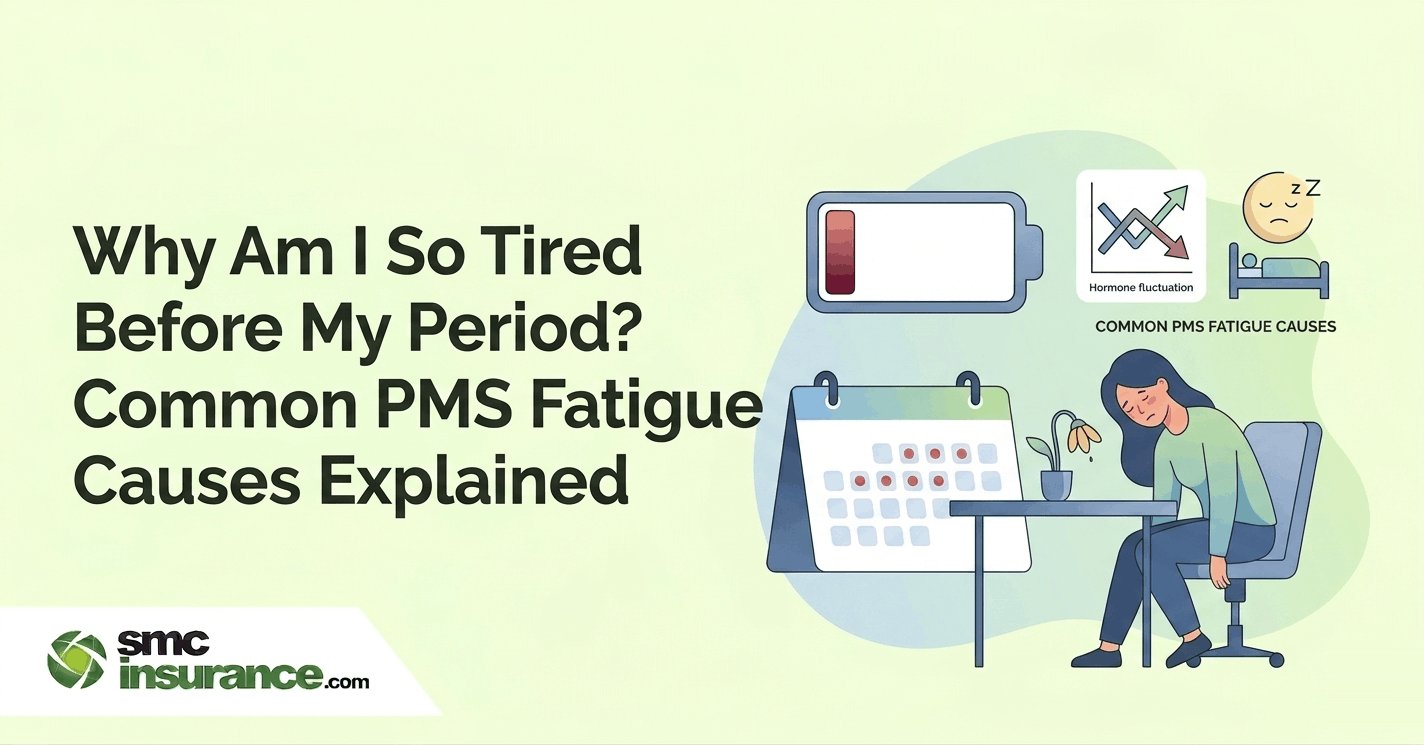

Why am I so tired before my period?
Pre-period fatigue is caused by a drop in estrogen and progesterone in the days before your period begins. This decline lowers serotonin, the brain chemical that regulates mood and energy, and raises body temperature, which disrupts sleep quality. For Indian women, iron deficiency anemia (affecting 57% of women of reproductive age as per NFHS-5) can significantly amplify this fatigue. Lifestyle changes, including better sleep habits, iron-rich diet, light exercise, and reducing sugar intake, can reduce symptoms in most cases. If fatigue is severe and affects daily functioning every cycle, PMDD should be evaluated by a doctor and is treatable with SSRIs or hormonal therapy.
Every month, a few days before your period arrives, that familiar exhaustion settles in. Not the kind that a good night's sleep fixes. It is the kind where you wake up already tired, drag yourself through work, skip plans you were looking forward to, and spend the evening wondering if something is wrong with you.
Nothing is wrong. But something real is happening inside your body, and most women never get a proper explanation for it. Pre-period fatigue is one of the most common symptoms of PMS, yet it gets brushed off as "that time of the month" without anyone actually unpacking why your energy crashes the way it does. For Indian women especially, where anaemia affects more than half the female population of reproductive age (NFHS-5 data), the tiredness before a period can be significantly more intense than what women in other countries typically experience. This article explains exactly why your body drains energy before your period, what makes some cycles worse than others, and what you can actually do about it.
What Is Actually Happening in Your Body Before Your Period?
The Hormone Shift Nobody Explains Clearly
After ovulation, both estrogen and progesterone rise. Then, if pregnancy does not occur, both fall sharply in the days leading up to your period. That drop is the trigger for most PMS symptoms, including fatigue. According to research published in StatPearls (NIH), this hormonal imbalance, particularly estrogen surplus followed by a steep decline, is closely tied to mood and energy disruption during the luteal phase.
Progesterone has a sedating effect on the central nervous system. Higher progesterone levels during the luteal phase can leave you feeling physically sluggish and mentally foggy. When progesterone then drops suddenly before your period, the withdrawal effect is not gentle.What Serotonin Has to Do With It
This is where it gets more specific. Your estrogen levels directly influence serotonin, the brain chemical that regulates mood, sleep, and energy. When estrogen drops before your period, serotonin production drops with it. Lower serotonin means lower mood, disrupted sleep, carbohydrate cravings, and yes, fatigue.
Insufficient serotonin contributes to pre-period depression, fatigue, food cravings, and sleep problems. The MGH Centre for Women's Mental Health confirms that women with premenstrual mood and energy disorders show abnormal serotonin neurotransmission during the luteal phase. This is not a generalisation. It is a specific neurochemical mechanism.Your Body Temperature Also Goes Up
Progesterone raises your basal body temperature slightly after ovulation. That elevation continues through the late luteal phase. A warmer core temperature makes it harder to fall asleep and harder to stay asleep, since deep sleep requires your body to cool down. Poor sleep amplifies daytime fatigue, creating a cycle that compounds through the pre-period days.
Why PMS Fatigue Can Be Worse for Indian Women
This deserves its own section, because it is not discussed enough. The hormonal explanation covers the baseline experience. But in India, there is a second layer.
Anaemia: The Invisible Amplifier
According to NFHS-5 data, 57% of non-pregnant women of reproductive age in India are anaemic. That number climbs higher in rural areas and among women from lower-income households. Iron deficiency reduces the blood's ability to carry oxygen to muscles and tissues. Every month, menstruation causes further blood loss, which depletes iron stores even more.
The result: women who are already running low on iron experience pre-period fatigue that is far more severe than what the hormonal fluctuation alone would cause. The body is simultaneously dealing with low serotonin from hormonal changes and low oxygen delivery from iron deficiency. Both hit at the same time, every cycle. Many women in India normalise this exhaustion. They assume it is just how periods feel. It is not.Dietary Deficiencies That Make It Worse
Low levels of magnesium and vitamin B6 are both associated with more severe PMS symptoms, including fatigue. Both nutrients support serotonin production and nerve function. Diets that are high in refined carbohydrates and low in leafy greens, legumes, and whole grains tend to be deficient in both. Spiking blood sugar from sugary snacks and chai actually crashes energy harder within a couple of hours, making the midday slump worse.
The PMS and PMDD Difference
Fatigue with mild irritability and low energy before a period is classic PMS. It is uncomfortable but manageable for most people with lifestyle adjustments.
PMDD (Premenstrual Dysphoric Disorder) is a more severe condition. It involves the same hormonal mechanism but an amplified response in the brain. Research published in Frontiers in Psychiatry (2024) links PMDD to an impaired stress response and abnormal sensitivity to allopregnanolone, a neurosteroid derived from progesterone. Women with PMDD do not just feel tired. They may experience intense emotional distress, inability to function at work, crying spells, anger, and deep low mood.
Symptoms of PMDD typically appear 5 to 11 days before a period and resolve within a few days of bleeding starting. If your pre-period fatigue is regularly severe enough to disrupt your daily life or relationships, that is not standard PMS and warrants a proper medical consultation.
|
Feature |
PMS |
PMDD |
|
Timing |
1-2 weeks before period |
5-11 days before period |
|
Fatigue level |
Mild to moderate |
Severe, often debilitating |
|
Emotional symptoms |
Mild mood changes |
Intense distress, crying, anger |
|
Work/life disruption |
Minor |
Significant |
|
Treatment required |
Lifestyle changes usually sufficient |
Medical intervention often needed |
|
Prevalence (approx.) |
Around 30% of women every cycle |
Around 3-8% of women |
Note: These ranges are based on published research. PMDD is clinically diagnosed and should not be self-diagnosed. A gynaecologist or psychiatrist can confirm it.
Common Causes of Pre-Period Fatigue: A Summary
Each cause connects back to the hormonal and physiological changes described above.
|
Cause |
What Happens |
Who It Affects Most |
|
Serotonin drop |
Estrogen decline lowers serotonin, reducing mood and energy |
All women with PMS |
|
Progesterone withdrawal |
Sedating effect followed by sudden withdrawal disrupts energy |
More pronounced in luteal phase sensitivity |
|
Sleep disruption |
Higher body temperature prevents deep restorative sleep |
Women with warmer sleep environments |
|
Iron deficiency anaemia |
Low haemoglobin reduces oxygen delivery to tissues |
Very common in India (57% WRA affected) |
|
Blood sugar instability |
Hormonal shifts increase cravings; sugar crashes worsen fatigue |
Women with high refined carb diets |
|
Magnesium/B6 deficiency |
Depleted nutrient reserves impair serotonin and nerve function |
Women with poor dietary diversity |
|
Dehydration |
Fluid retention from hormonal changes masks actual fluid needs |
Easily overlooked symptom amplifier |
|
Stress-cortisol interaction |
High stress amplifies HPA axis dysfunction linked to PMS |
Women with high chronic stress loads |
Note: Multiple causes often operate together in the same person. Identifying your primary driver matters for effective management.
7 Practical Ways to Manage Pre-Period Fatigue
The goal here is not to mask the fatigue but to reduce the biological load causing it.
1. Fix Your Sleep Environment Before Your Period
Your bedroom temperature matters more in the pre-period window than at other times of the month. Keep the room cool to counteract your elevated basal temperature. Avoid screens for at least an hour before bed since blue light suppresses melatonin. Going to sleep at a consistent time helps stabilize your circadian rhythm when hormones are destabilising it.
2. Eat Iron-Rich Foods in the Week Before Your Period For Indian women, this is non-negotiable. Focus on ragi, spinach, legumes (rajma, chana, masoor dal), and include a source of vitamin C alongside them to improve iron absorption. Avoiding tea or coffee within an hour of iron-rich meals also helps, since tannins reduce absorption. If you have persistent fatigue across cycles, a serum ferritin test is more informative than a standard haemoglobin test.
3. Cut Sugar and Refined Carbs During the Luteal Phase
Blood sugar spikes from sweets, white rice, maida-based foods, and sweetened drinks worsen the energy crash. Complex carbohydrates, like whole grains, oats, and sweet potatoes, release energy steadily. Protein at every meal helps maintain stable blood sugar and reduces cravings.
4. Stay Hydrated
Hormonal changes during the luteal phase cause your body to retain water, which is paradoxically accompanied by poor cellular hydration. Drink water consistently through the day. Electrolyte-balanced drinks, coconut water, or a pinch of rock salt in water can help if you feel particularly drained.
5. Do Light, Consistent Exercise
High-intensity workouts in the pre-period window may feel unsustainable. Light to moderate exercise, like walking, yoga, or swimming, helps the body release endorphins, which compensate for lower serotonin. A study cited in NIDDK research confirms that staying active helps maintain energy levels and mood. Aim for 20-30 minutes on most days.
6. Try Relaxation Techniques Before Bed
Stress amplifies PMS symptoms by elevating cortisol, which in turn worsens the hormonal imbalance. Deep breathing exercises, progressive muscle relaxation, and simple pranayama before sleep help lower cortisol and prepare the brain for rest. Journaling can also help discharge anxious thoughts that otherwise keep you awake.
7. Consider Magnesium and Vitamin B6 Supplementation
Both have clinical evidence supporting their role in reducing PMS fatigue and mood symptoms. Magnesium glycinate or magnesium citrate (200-400 mg daily) is better absorbed than magnesium oxide. Vitamin B6 (around 50-100 mg per day) has shown benefit in trials. Always consult a doctor before starting supplements, especially if you are on any medication.
When Should You See a Doctor?
Most pre-period fatigue responds well to the lifestyle measures above. But some situations need medical evaluation. See a doctor if your fatigue is severe enough to affect your work or daily functioning every month, if it is accompanied by intense emotional symptoms that feel out of control, if you suspect anaemia and have not had your haemoglobin or ferritin checked recently, if symptoms do not improve with 2-3 months of consistent lifestyle changes, or if you experience unusual heaviness or clotting during your periods that may indicate conditions like PCOS or fibroids, which are associated with heavier blood loss and worse pre-period symptoms.
PMDD is treatable. SSRIs such as fluoxetine and sertraline have been shown to reduce fatigue, emotional symptoms, and sleep disruption in PMDD. Hormonal contraceptives, particularly those with drospirenone and ethinyl estradiol, can stabilize the hormonal swings that drive symptoms. These require a prescription and proper diagnosis.
Your reproductive health is part of your overall health. Chronic pre-period fatigue can limit your productivity, affect your relationships, and signal an underlying deficiency that deserves attention. A good women's health insurance plan ensures you are not delaying essential consultations, diagnostic tests, or specialist visits because of cost. If you have not reviewed your coverage lately, now is a good time. Visit SMC Insurance to compare plans designed specifically for women's healthcare needs.
Wrapping Up,
Pre-period fatigue is not in your head, and it is not simply part of being a woman. It has a clear hormonal basis, rooted in serotonin fluctuation, progesterone's effect on the nervous system, and the disruptive impact of estrogen withdrawal on sleep and energy.
For many Indian women, iron deficiency anemia adds significant weight to that already depleted state, making cycles harder than they need to be.
Understanding the cause is the first step. Acting on it is the second. Adjusting your diet, sleep environment, exercise habits, and hydration in the 7-10 days before your period can meaningfully reduce how fatigued you feel. If symptoms are severe or worsening, a doctor's evaluation, not just self-management, is the right path. PMDD is real, diagnosable, and treatable. Anaemia is correctable. Neither has to be your baseline every month.
You deserve to feel well across your entire cycle, not just the week after your period ends.
Disclaimer:The information provided on this platform is intended for general awareness and educational purposes. While every effort is made to ensure accuracy, some details may change with policy updates, regulatory revisions, or insurer-specific modifications. Readers should verify current terms and conditions directly with relevant insurers or through professional consultation before making any decision.
All views and analyses presented are based on publicly available data, internal research, and other sources considered reliable at the time of writing. These do not constitute professional advice, recommendations, or guarantees of any product’s performance. Readers are encouraged to assess the information independently and seek qualified guidance suited to their individual requirements. Customers are advised to review official sales brochures, policy documents, and disclosures before proceeding with any purchase or commitment.
FAQs
PMS fatigue is a pre-period symptom, not a during-period one. It is driven by the drop in estrogen and progesterone that happens in the days before bleeding begins. These hormonal shifts lower serotonin and raise body temperature, both of which affect sleep quality and energy. Once your period starts and hormone levels reset, many women actually feel more alert. The fatigue is specific to the luteal phase, which is the window between ovulation and the first day of your period.
Yes, significantly. Iron deficiency anaemia reduces your blood's ability to carry oxygen, which directly impairs physical and mental energy. Monthly blood loss during periods further depletes iron stores. NFHS-5 data shows 57% of non-pregnant Indian women of reproductive age are anaemic. If your pre-period fatigue is severe, a ferritin test (not just haemoglobin) can reveal whether iron deficiency is a contributing factor. Addressing anaemia through diet and supplementation can make a noticeable difference within weeks.
PMS fatigue is typically mild to moderate and manageable with rest and lifestyle changes. PMDD fatigue is severe and often accompanies intense emotional symptoms such as anger, sadness, crying spells, and inability to carry out daily activities. PMDD symptoms tend to appear consistently 5–11 days before the period and resolve within a day or two of bleeding starting. If your pre-period symptoms regularly feel disproportionate and are affecting your work or relationships, see a gynaecologist for a clinical assessment.
Focus on iron-rich foods like leafy greens, legumes, and ragi to counter blood loss-related depletion. Eat complex carbohydrates and protein at regular intervals to stabilise blood sugar, since spikes and crashes worsen fatigue. Include magnesium-rich foods like pumpkin seeds, dark chocolate, and bananas. Avoid excess caffeine, alcohol, and high-sugar foods in the pre-period week, as these disrupt sleep and amplify the energy crash. Staying consistently hydrated is also important.
It does, but the type of exercise matters. Light to moderate exercise, such as walking, yoga, swimming, or cycling, supports endorphin release and helps compensate for lower serotonin levels. High-intensity exercise may feel exhausting during the pre-period phase. Consistency is more important than intensity. Even 20–30 minutes of light movement on most days in the luteal phase can improve both energy levels and mood.
See a doctor if your fatigue is severe enough to interfere with work, social life, or daily functioning on a regular basis. Also seek medical advice if you suspect anaemia and have not been tested, if emotional symptoms are difficult to manage alongside the fatigue, or if lifestyle changes over 2–3 months have not improved things. PMDD requires clinical diagnosis and may be treated with SSRIs or hormonal contraceptives. Conditions like PCOS or uterine fibroids that cause heavier bleeding can also worsen pre-period exhaustion.
Many comprehensive health insurance plans in India cover OPD consultations, diagnostic tests, and hospitalisation linked to hormonal conditions when medically indicated. Plans like Star Women Care specifically address women's healthcare needs. Coverage for gynaecological consultations, blood tests, and specialist visits depends on the policy. Review your policy documents or consult with an insurance advisor to understand what your current plan covers for reproductive and hormonal health conditions.


